
Khasmir day
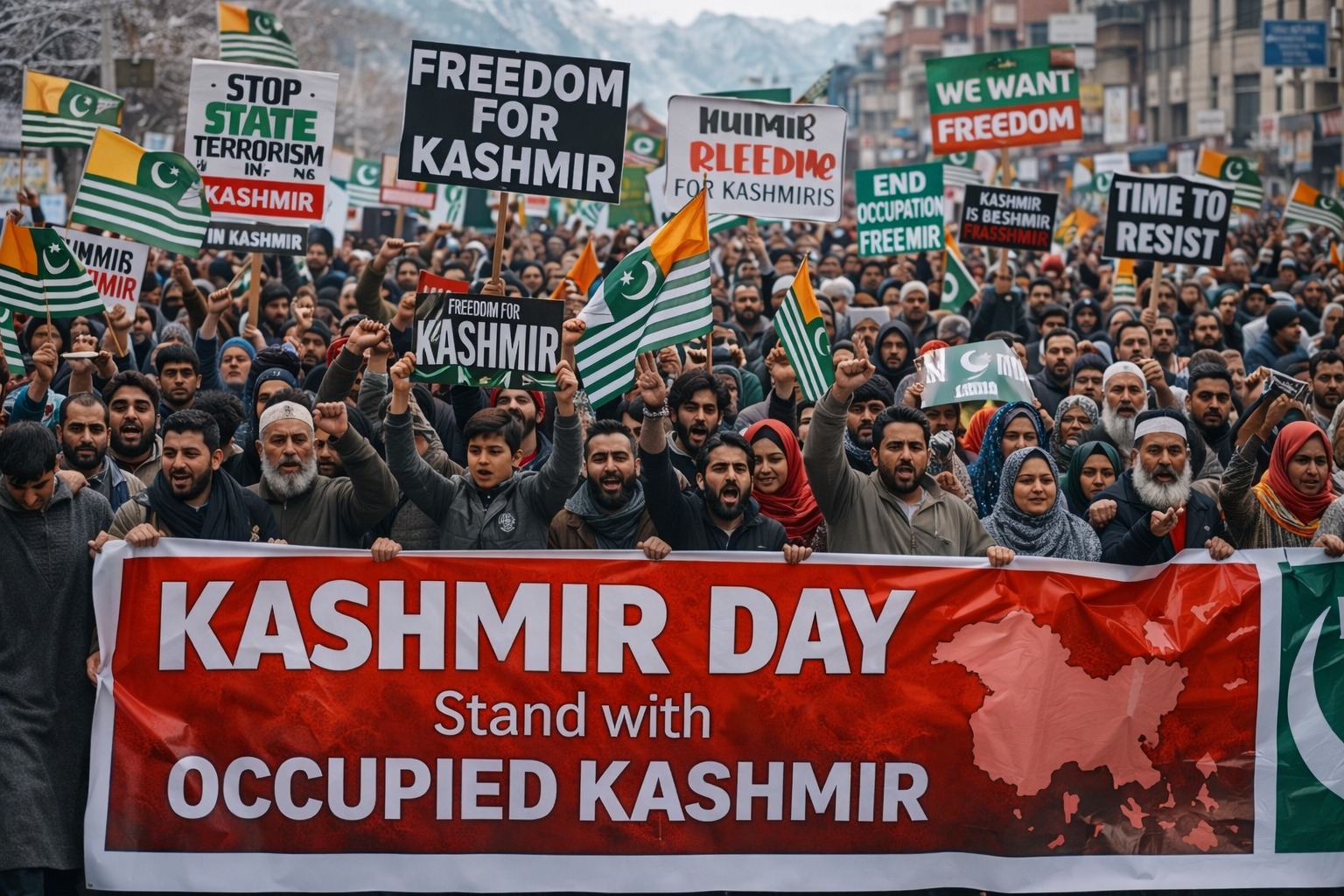
Every year, Kashmir Day invites reflection on a land known not only for its breathtaking mountains and rivers, but for the resilience of its people. The valley of Kashmir has long stood as a symbol of natural beauty, spiritual depth, and cultural richness. Yet beyond the postcard landscapes lies a deeper story — one of strength carried quietly in everyday lives, of faith that endures through uncertainty, and of identity preserved across generations.
For the people of the valley, resilience is not a slogan. It is woven into daily routines — in mothers who keep families grounded despite hardship, in students who continue their education with hope for a brighter future, and in elders who safeguard traditions, language, and history. Life has not always been easy, but the spirit of the people reflects a powerful truth: even in the face of challenges, dignity remains.
Faith plays a central role in this endurance. Across towns and villages, places of worship are not only spiritual centers but also sources of comfort and unity. Prayer becomes a language of patience, and belief becomes a source of emotional strength. In difficult times, faith reminds people that hardship is temporary, while hope is eternal. This spiritual grounding allows communities to support one another, offering kindness and solidarity when it is needed most.
Equally powerful is the sense of identity that defines Kashmiri culture. From traditional handicrafts to poetry, from music to cuisine, cultural expression continues to thrive. The art of weaving, the rhythm of folk songs, and the flavors of traditional dishes are more than customs — they are affirmations of belonging. Young people learn these traditions not simply as heritage, but as living expressions of who they are.
Stories of everyday courage emerge from all corners of the valley. Teachers walk long distances to ensure children do not miss learning. Healthcare workers serve communities with limited resources but unlimited compassion. Farmers cultivate their fields with patience, trusting the seasons even when uncertainty looms. These are not grand headlines, yet they are the foundation of hope.
Women, in particular, stand at the heart of this resilience. As caregivers, educators, and community anchors, they carry both emotional and practical responsibilities. Many quietly lead local initiatives, support neighbors, and keep families united. Their strength often goes unrecognized, but it shapes the social fabric of the valley in profound ways.
Khasmir day
Youth, too, represent a powerful source of optimism. Despite growing up amid challenges, they hold dreams of education, innovation, and peace. Through art, writing, and social projects, they express a desire for a future where opportunity replaces limitation. Their voices reflect a generation determined not to be defined by conflict, but by potential.
Kashmir Day is not only about remembering struggles; it is also about honoring this enduring spirit. It reminds the world that behind political discussions are human lives — families who laugh, celebrate, and hope just like anyone else. Solidarity, in this sense, means recognizing shared humanity and supporting paths toward dignity, dialogue, and understanding.
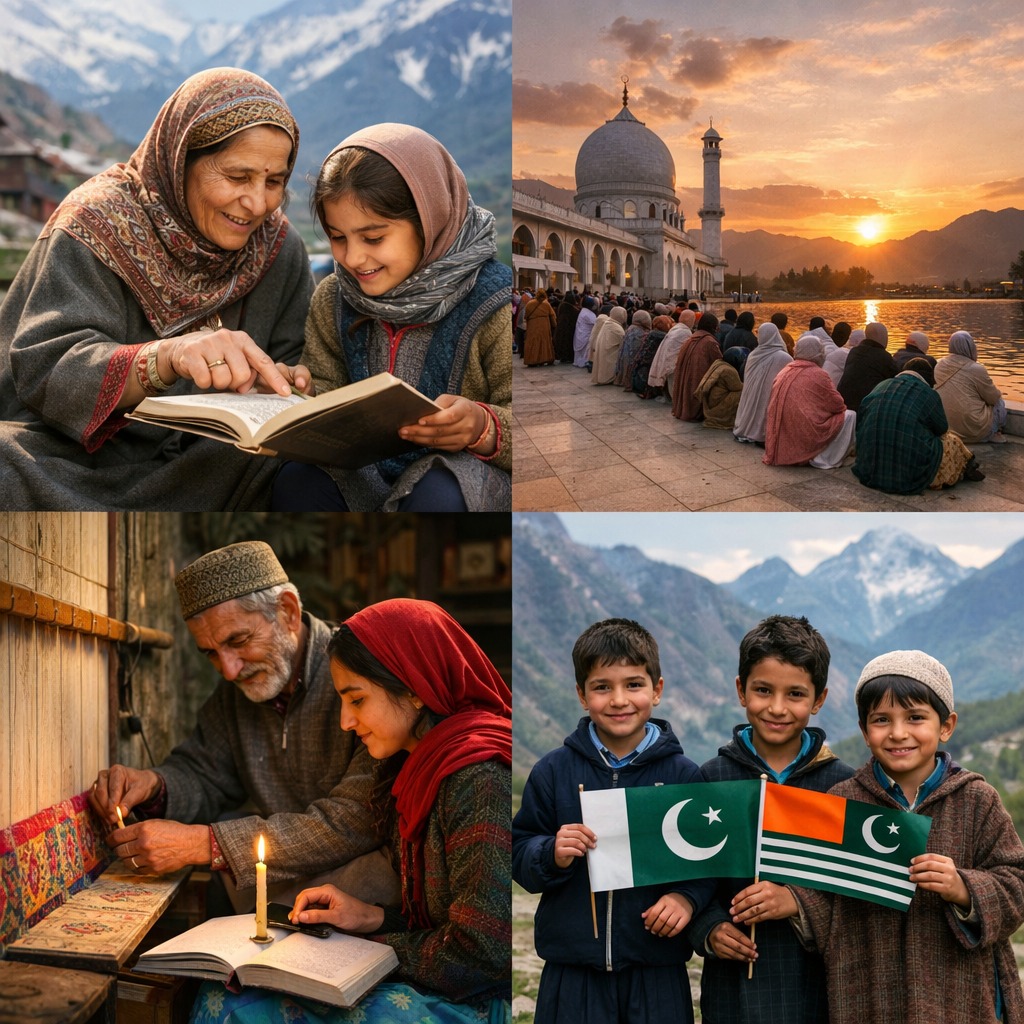
Hope in the valley does not shout; it grows quietly. It appears in neighbors helping one another, in children studying under dim lights, in artisans perfecting their craft, and in prayers whispered with conviction. These moments form a collective narrative stronger than any hardship.
As we observe Kashmir Day, the focus remains on people — their faith, their culture, and their unwavering sense of identity. Their story teaches an important lesson: strength is not always loud, and hope is often built in small, steady acts of courage.
The valley continues to inspire not only because of its landscapes, but because of its hearts. And in those hearts lives a belief that better days can come — a belief that keeps hope alive in Kashmir, today and always.