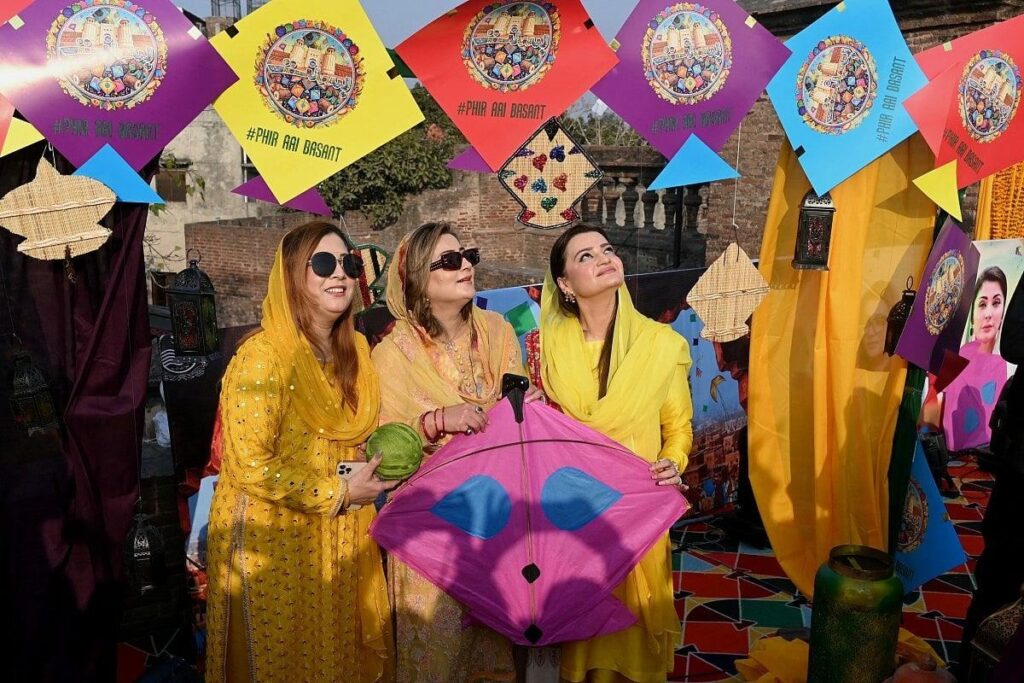
Basant Festival Lahore 2026: Economic Boost and Maryam Nawaz’s Rising Popularity
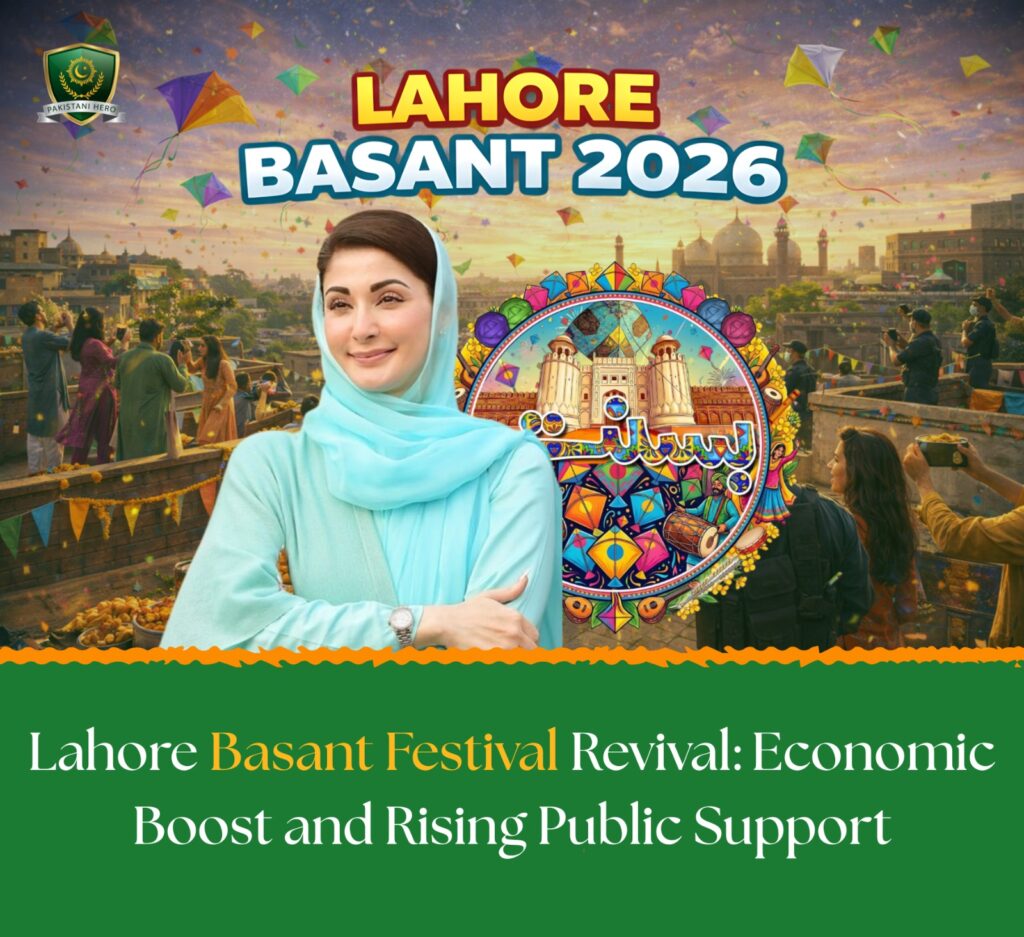
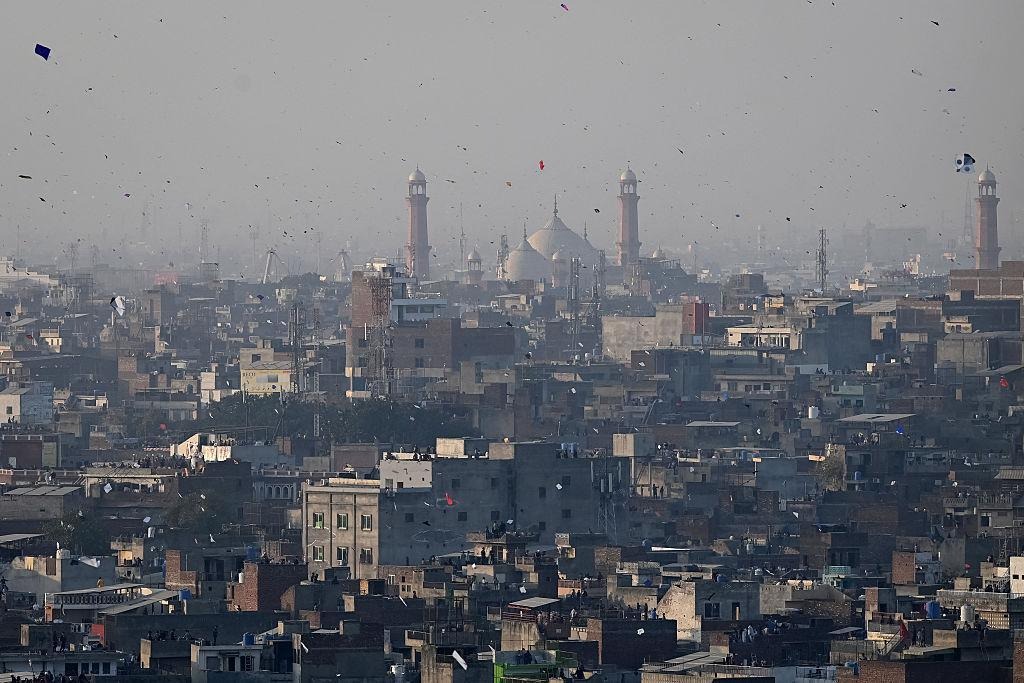
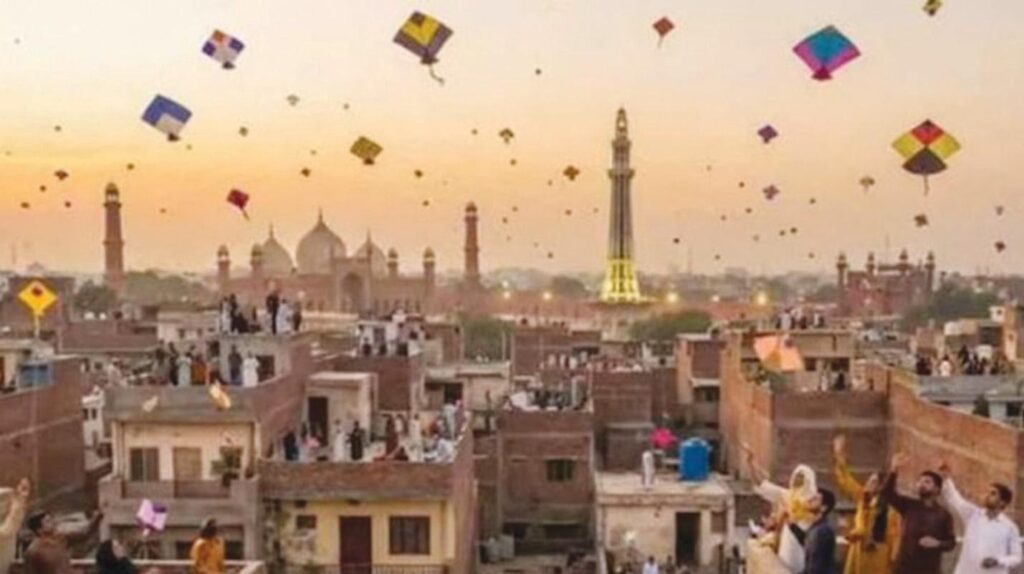
The restoration of the Basant festival at Lahore that had not been held in many years made the city a colorful cultural scenery full of celebration and trade. It did not only restore kites to the skies but also revived local economic sectors and provoked the population with issues of leadership, culture, and the spirit of community in the three-day event.
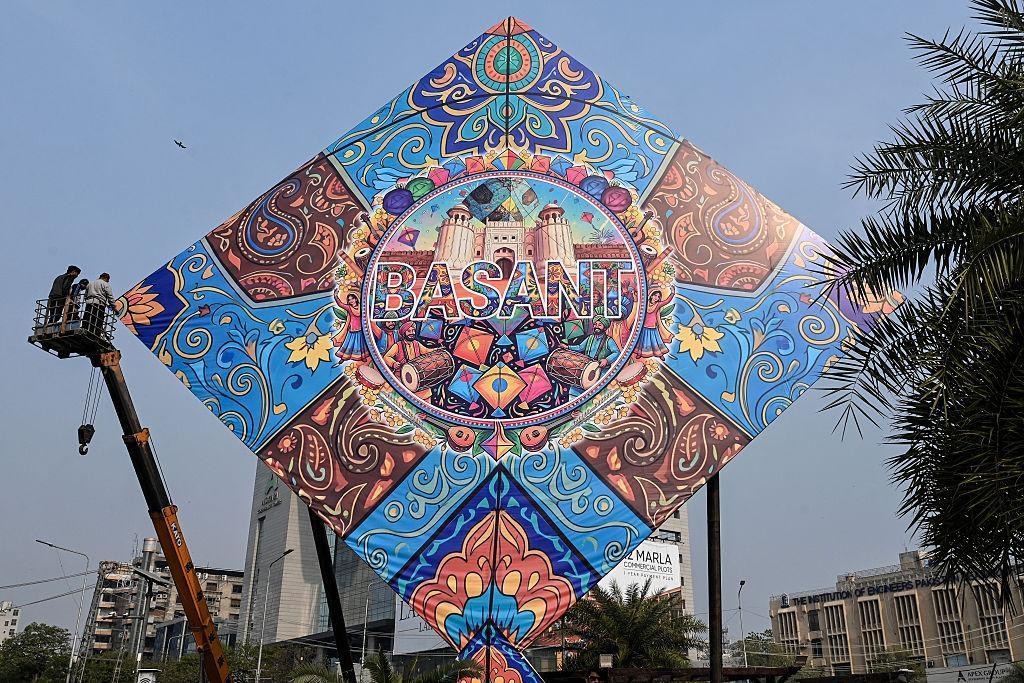
Economic Effect Per Industry
This Festival had built a wave across the economy of Lahore. There was an increased occupancy at hotels with people moving in and out of cities. Foot traffic to food streets increased, benefiting small vendors and restaurant owners. The services of transport, organizers of the event, decorators, and street performers also entered the economic cycle that the festival created.
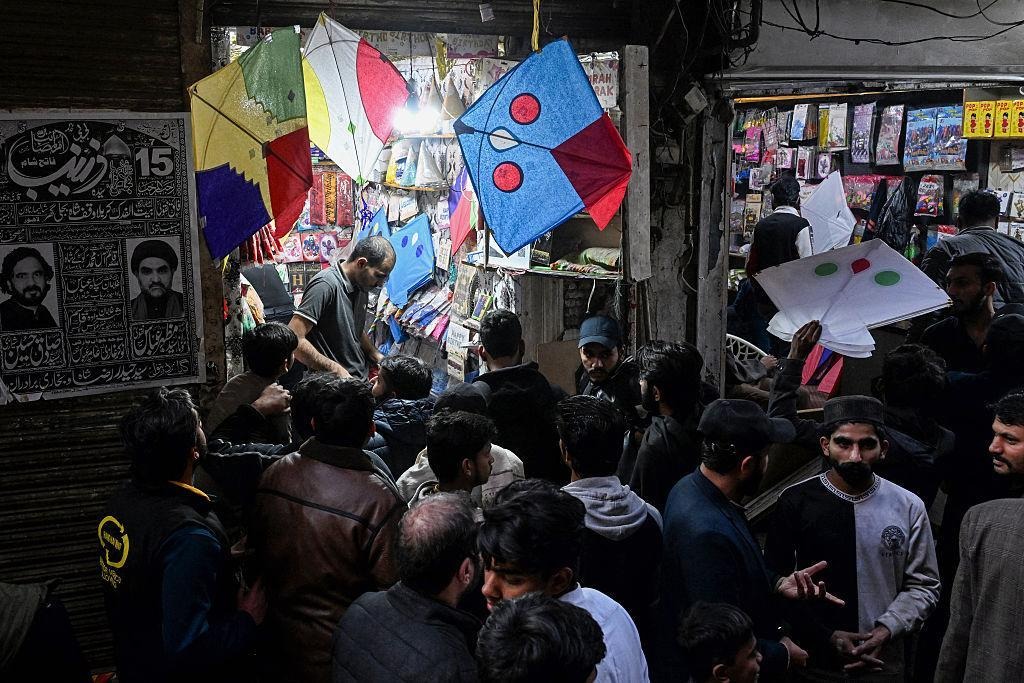
Old fashioned kite vendors, who had little opportunities in recent years, got a chance again. There was also a growth in sales made by markets that were selling festival-related products such as clothing, accessories, decorations among others. New working places were created and new means of earning livelihood was discovered by the daily wage earners.
Such cultural events as Basant act as micro-engines of the economy. When masses of people come to have fun, the money spreads via small and medium businesses. In addition to short-term gains, this kind of festival makes Lahore more recognizable as a destination in cultural tourism, and this factor is likely to affect investment and event organization in the future.
Nostalgia of Culture and Social Vitality
Basant is strongly connected with the cultural memory of Punjab. To a lot of families, it symbolizes roof top parties, music, jokes and the intergenerational closeness. Its re-emergence brought back memories of the simpler times and hence the event had more than just entertainment value.
Social networks were overwhelmed with pictures of yellow costumes, kite fighting and rooftop decorations. The young were exposed to a tradition they could only listen to, whereas the old ones relived a part of their history that they loved. Those emotional cries contributed to the unification of communities and the feeling of mutual happiness.
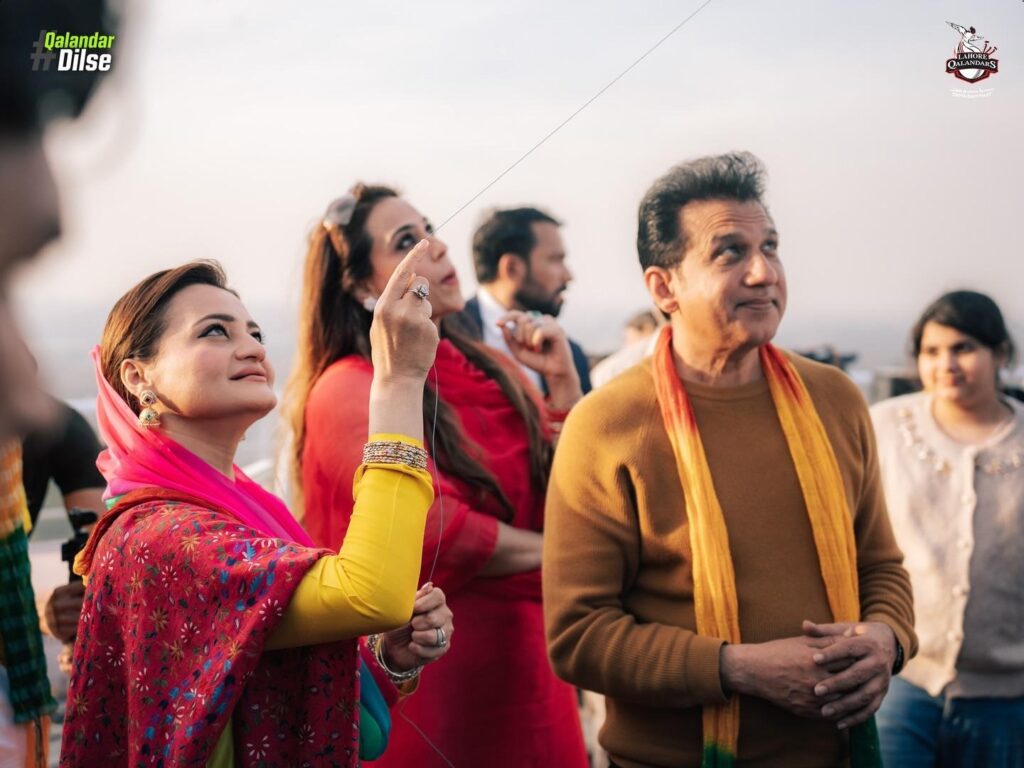
The political leadership of Maryam Nawaz has also been linked to the resurrection of the festival and is largely viewed by the proponents as supporting cultural and people-oriented causes. The fact that Basant was returned by many citizens was interpreted by many as a sign that the cultural identity and the morale of the people were given attention.
There was a collective response indicating that the festival enhanced her bond with some groups of people in the society. Cultural revival has the potential of affecting political perception, as it touches directly on life, and does not exist as an abstract aspect of policy discussion. When the heritage is recognised by the citizens, they tend to reciprocate through emotional support.
Festivals as Economic Strategy
Cultural festivals are economic stimulation tools that are used in cities throughout the world. As far as tourism expansion to rebuilding of small business, these events generate both short-term funds and brand identity in the long run. The Basant of Lahore demonstrated the possibility of the harmony between tradition and economic activity.
Nonetheless, sustainability is pegged on safety control, infrastructural preparedness and regular planning. When festivals are done in a responsible manner, they will be able to provide both culture and commerce to the city annually.
A Moment Beyond Politics
Although political meanings differ, the most apparent consequence of the Basant festival was a revival of civic spirit. The city was vibrant, business was on, and communities in the city came together to celebrate. Such occasions help to remind people about common roots and enjoyment.
The Basant revival in Lahore showed the way in which cultural memory, economic activity and popular feeling can inter-sect so powerfully. It was not all about the kites, but it was about the recovery of a sense of identity, hope and the pride in the city.