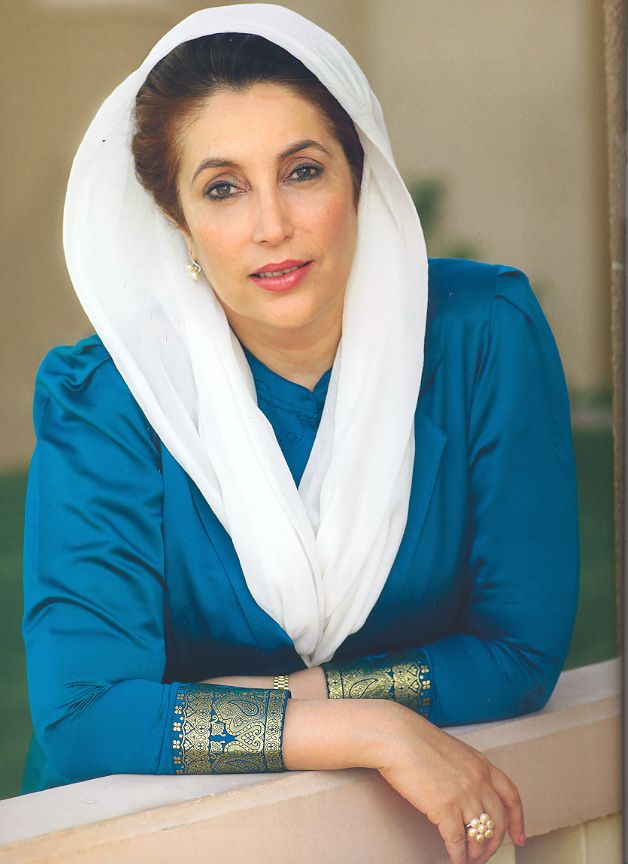
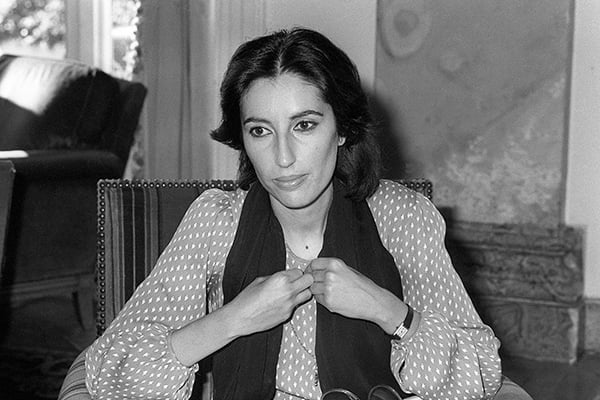
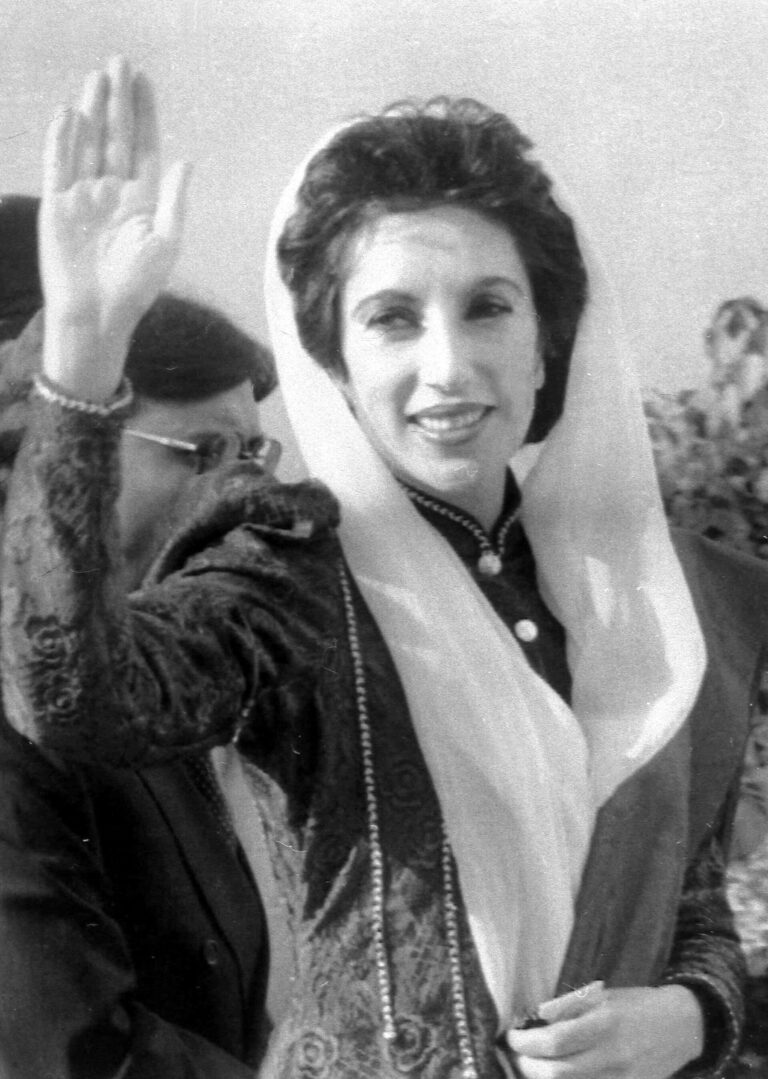
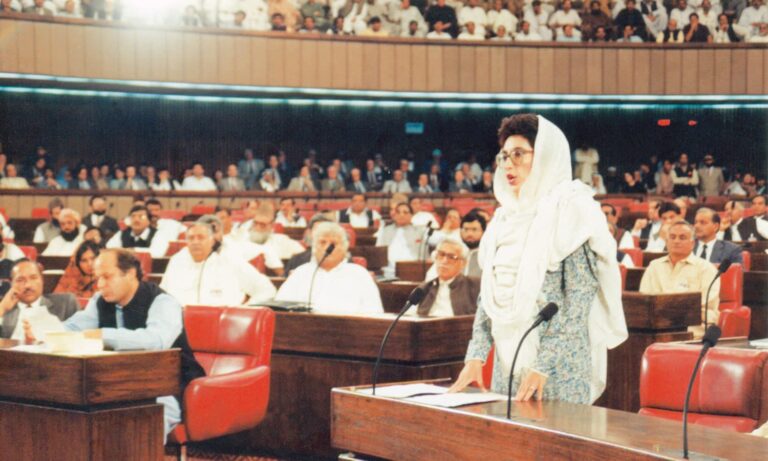
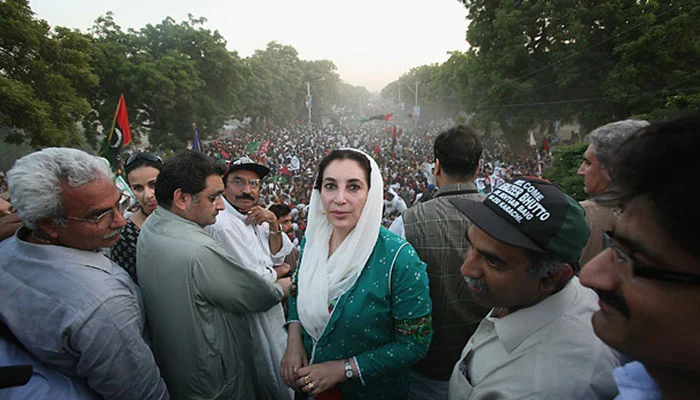
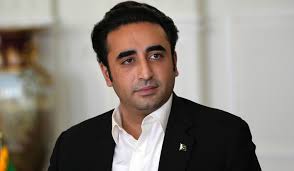
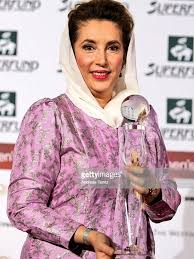
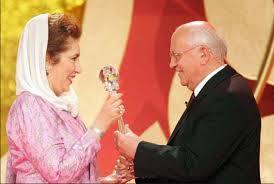
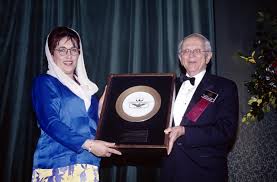
Benazir Bhutto was the first Pakistani woman prime minister and one of the main actors in the politics of modern Pakistan. She headed the Pakistan People’s Party, pushed democratic reforms and got people excited about her vision of civilian rule, women rights and socio-economic modernization till her assassination in 2007 and continues to be a democratic hero to this day.
Multiple Honorary Degrees – Various Years
Global Academic Recognition
Leadership, Governance & Democratic Contributions
International Leadership Recognitions – Various Years
Advocacy for Democracy & Human Rights
Global Democratic Influence
State Recognitions & Commemorations – Posthumous
National Honor & Legacy Tribute
Service to Pakistan & Democratic Movement
Birthdate: June 21, 1953
Hometown: Karachi, Pakistan.
Career: She was raised in the prominent political Bhutto family, her father was Zulfikar Ali Bhutto, a former Prime Minister of Pakistan.
Graduation: Attended Radcliffe College (Harvard University) in the U.S., earning her B.A. in government/comparative government.She then studied at the University of Oxford in the UK (where she became the first Asian woman president of the Oxford Union debating society).
Father: Zulfikaar Ali Bhutto (Late Pakistani barrister, politician and statesman who served as the fourth president of Pakistan)
Spouse: Asif Ali Zardari (Married in December 1987)
Children: 3 children: a son – Bilawal Bhutto Zardari, and two daughters – Bakhtawar Bhutto Zardari and Aseefa Bhutto Zardari.
Interests:While specific details of personal past-imes are less documented in the sources I found, her life shows a strong interest in governance, democracy, human rights and public service reflected in her writings and speeches.
As a two-term Prime Minister of Pakistan and leader of the Pakistan People’s Party (PPP), her income was tied to politics, public office and party leadership.
She carried the public role of a national stateswoman, working within political power structures, enduring imprisonment and exile, and projecting a serious public persona. Her lifestyle based on available accounts leans more toward public service than obvious luxury.
She championed programmes for democracy, women’s rights, and social welfare. For example, during her time in office she sought to advance women’s participation and civil liberties.
Her speeches, interviews, autobiography (Daughter of Destiny: An Autobiography) and photographic archive are well-documented and accessible in public records and historic collections. Her digital footprint (archives, institution collections) supports continuing research and remembrance of her role.
A former Pakistani Prime Minister and head of Pakistan People Party.
June 21, 1953.
She attended Oxford University.
Twice: 1988–1990 and 1993–1996.
On December 27, 2007, she was assassinated when she was campaigning in Rawalpindi.
Yes – she is known to have promoted women in politics.
She sought social programmes, international diplomacy and democratic restoration.
Yes – there is more than one scholarship and memorial program.
Yes – PPP is still a political party that is active in Pakistan.
Memorial events, scholarships, exhibitions and academic studies.
“I aspire to dedicate my life to strengthening democracy, serving the people of Pakistan, and ensuring justice and equality for all. My goal is to give voice to the marginalized, empower women, and build a nation where every citizen has dignity and opportunity. I want my leadership to reflect courage, resilience, and commitment to a peaceful, progressive Pakistan.”
There are no reviews yet. Be the first one to write one.
Pakistani Hero is a platform dedicated to highlighting Pakistan’s real talent and inspiring stories from every field.
Submit Your Article
Want your article featured on Pakistani Hero?
Email us at info@pakistanihero.com — if it meets our criteria, we’ll publish it.