
Introduction
Politics in Pakistan continues to play a decisive role in shaping the country’s economic direction, social cohesion, and global image. In 2026, several Pakistani political personalities stand out for their leadership, public influence, reform agendas, and ability to mobilize citizens. Regardless of political affiliation, these individuals have significantly contributed to national discourse, governance, and public policy. This article highlights ten Pakistani political personalities who are shaping the country’s present and future.
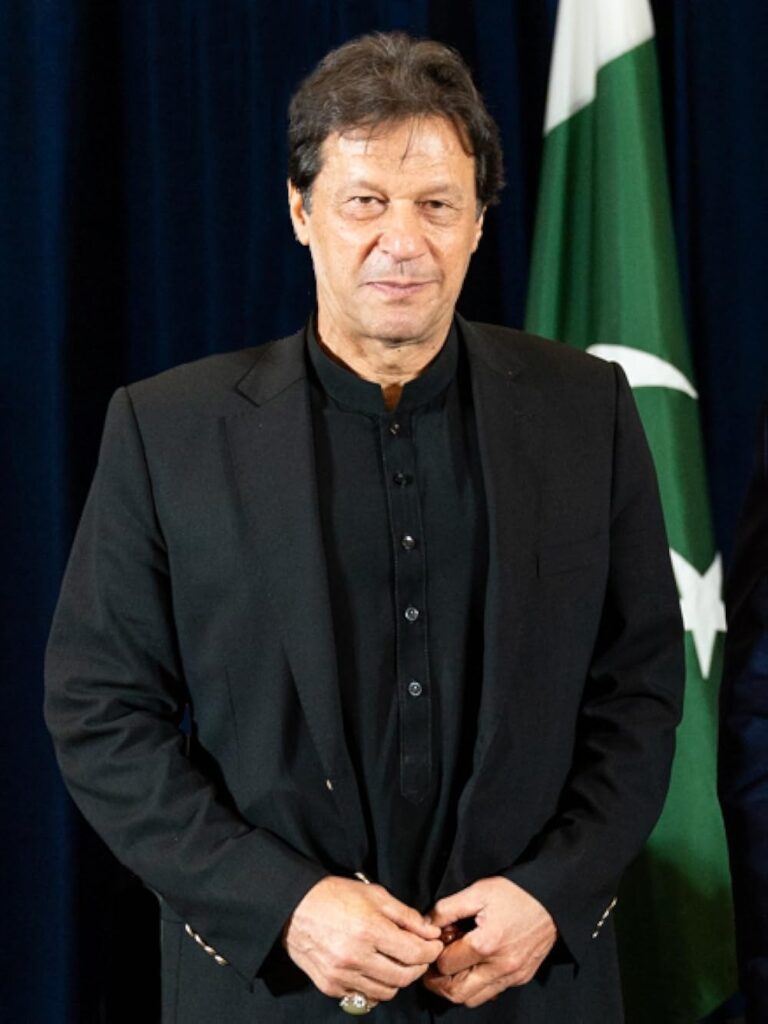
1. Imran Khan
Role: Former Prime Minister, Political Leader
Imran Khan remains one of the most influential political figures in Pakistan. His emphasis on accountability, anti-corruption narratives, and youth engagement continues to resonate strongly, particularly among younger voters and the Pakistani diaspora. His leadership has reshaped political mobilization through digital platforms and grassroots activism.read here
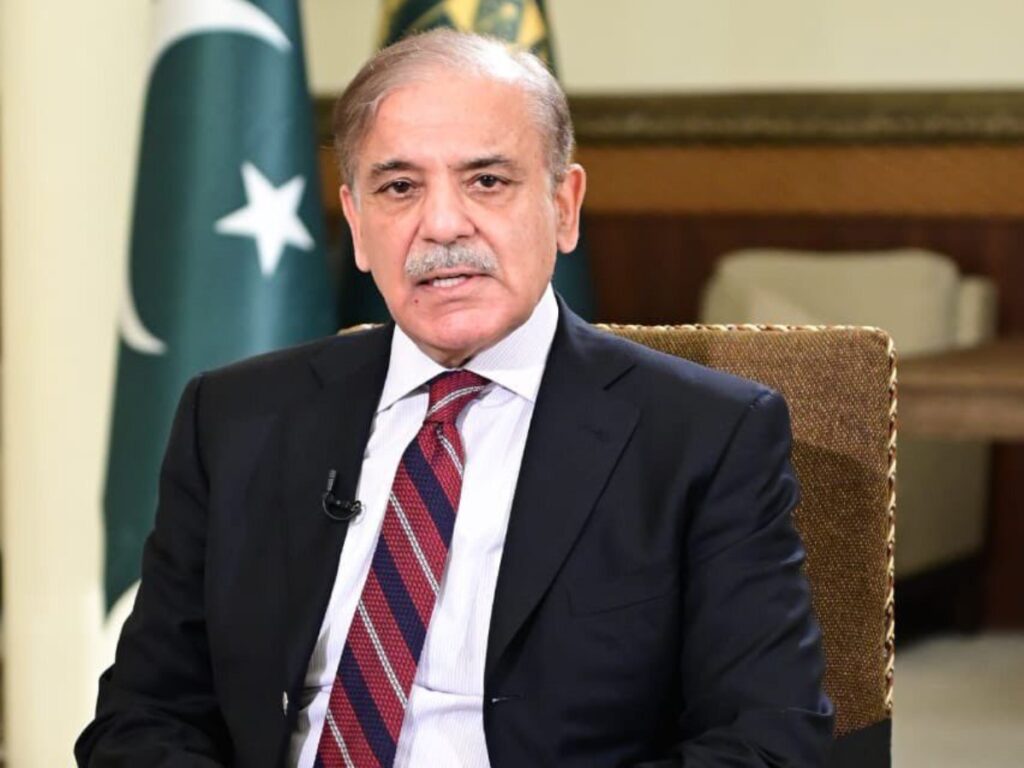
2. Shehbaz Sharif
Role: Senior Political Leader, Administrator
Known for his administrative experience and focus on governance, infrastructure, and economic stabilization, Shehbaz Sharif has played a key role in steering the country through complex economic and diplomatic challenges. His leadership style emphasizes efficiency, development projects, and institutional coordination.read here
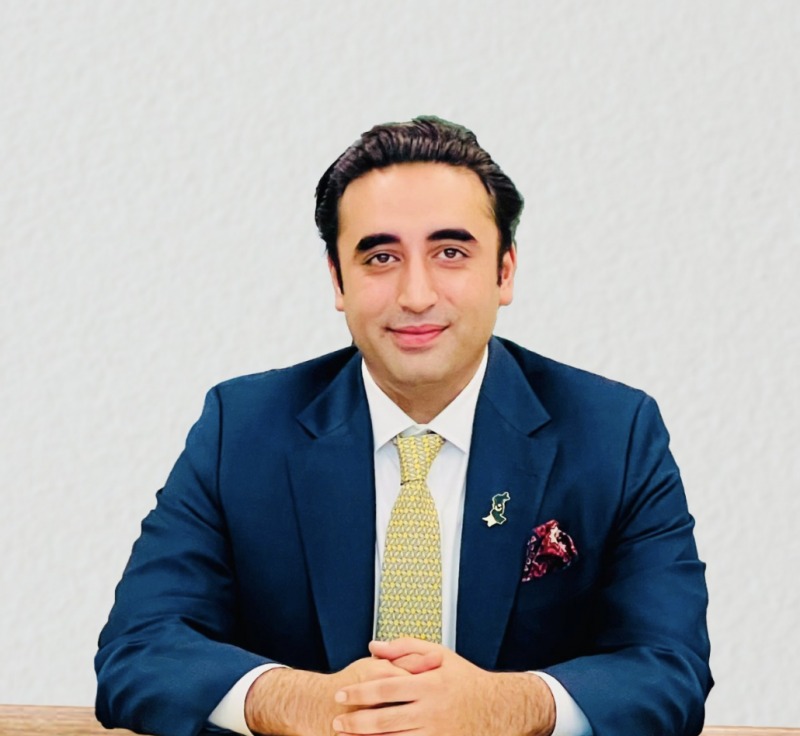
3. Bilawal Bhutto Zardari
Role: Chairman, Pakistan Peoples’ Party
Representing a new generation of political leadership, Bilawal Bhutto Zardari has been active in foreign diplomacy, parliamentary politics, and youth-focused narratives. His efforts to modernize political messaging and engage international audiences have strengthened Pakistan’s diplomatic presence.read here
4. Maryam Nawaz
Role: Senior Political Leader
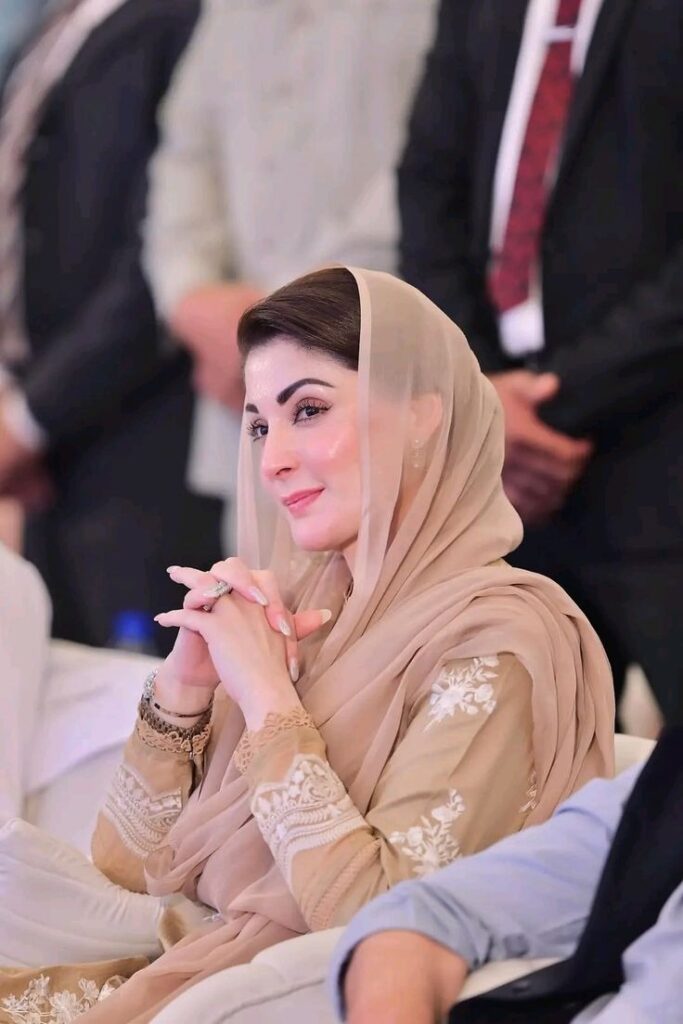
Maryam Nawaz has emerged as a prominent female political voice in Pakistan. Her leadership highlights women’s participation in politics, governance reform, and social development. She has played a significant role in shaping political communication and public engagement strategies.read here
5. Asif Ali Zardari
Role: Former President of Pakistan
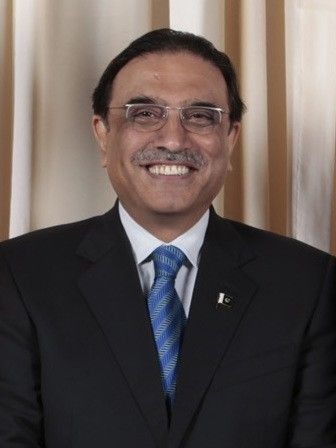
A seasoned political strategist, Asif Ali Zardari continues to influence coalition politics and parliamentary decision-making. His experience in consensus-building and political negotiation has remained relevant in Pakistan’s complex political environment. read here
6. Shah Mahmood Qureshi
Role: Senior Diplomat & Political Leader
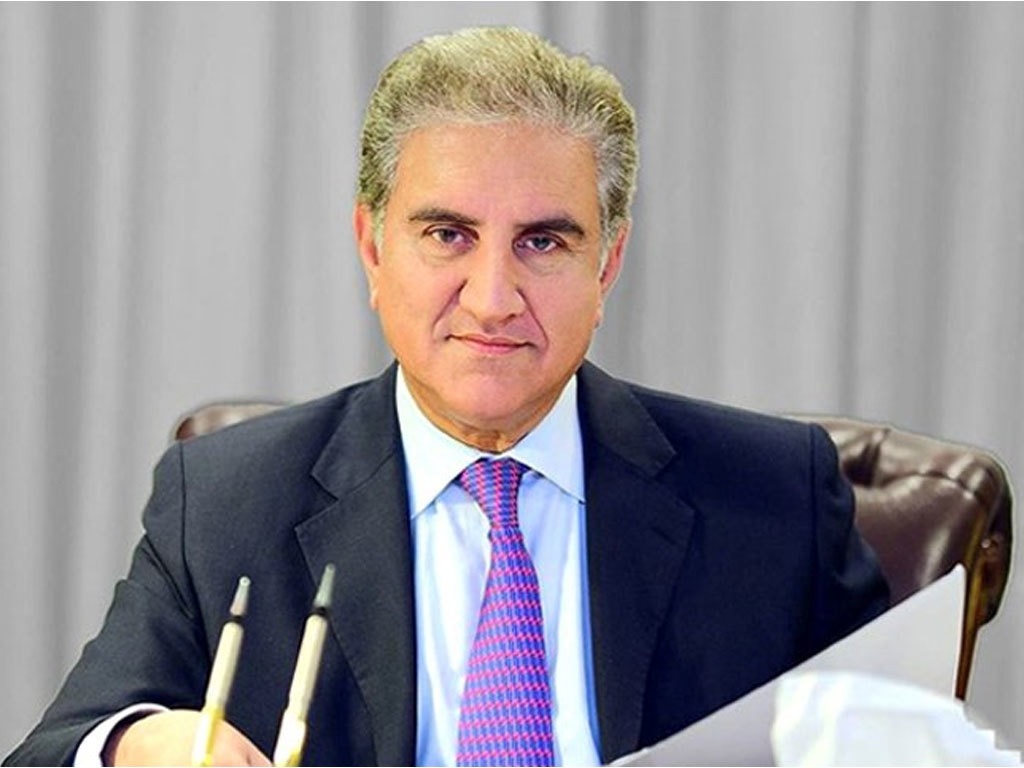
With extensive experience in foreign affairs, Shah Mahmood Qureshi has played a major role in shaping Pakistan’s diplomatic stance on regional and international issues. His contributions to foreign policy discussions have strengthened Pakistan’s engagement with global partners.read hee
7. MaulanaFazlurRehman
Role: Political & Religious Leader
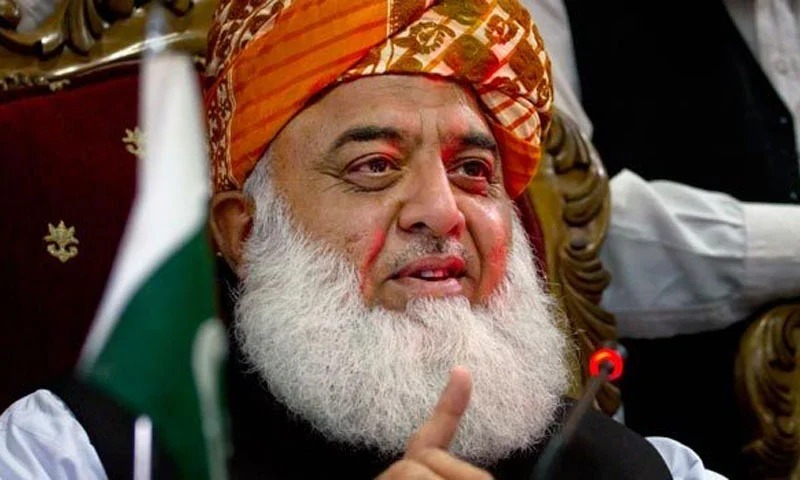
As a long-standing political figure, MaulanaFazlurRehman has maintained influence through religious politics and coalition leadership. His role in parliamentary alliances and national dialogues has made him a key stakeholder in political decision-making.read here
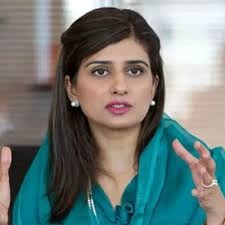
8. Hina Rabbani Khar
Role: Diplomat & Political Leader
One of Pakistan’s most recognized female diplomats, Hina Rabbani Khar has represented Pakistan on major international platforms. Her work in diplomacy, human rights discussions, and regional stability has contributed to Pakistan’s global image.read here
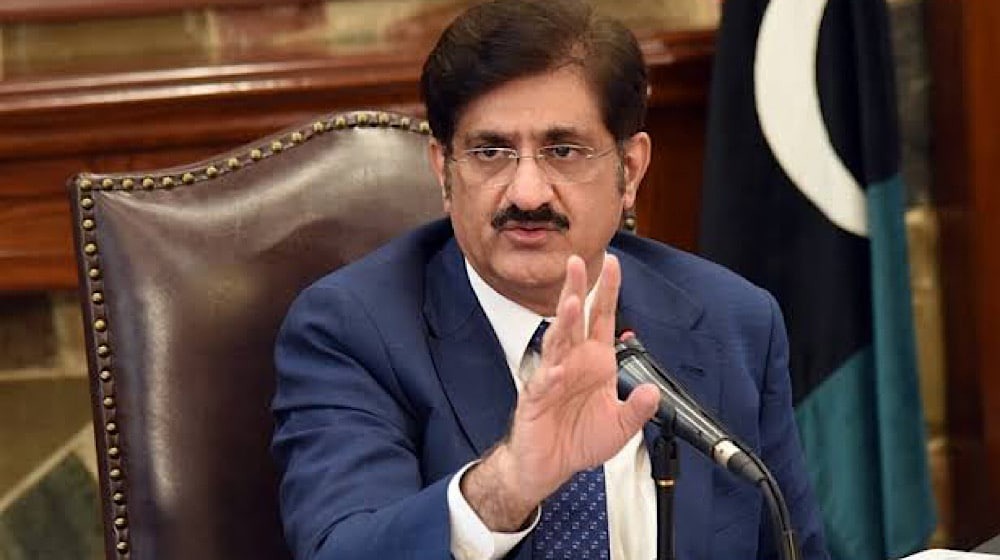
9. Murad Ali Shah
Role: Chief Minister, Sindh
Murad Ali Shah has been instrumental in provincial governance, urban development, and disaster management. His technocratic background and administrative focus have influenced public policy implementation at the provincial level.
10. Emerging Young Political Leader (Wildcard)
Role: Youth-led Political Figure
Pakistan’s political future increasingly depends on young leaders who bring fresh ideas, digital engagement, and reform-oriented thinking. This category recognizes rising politicians who are gaining attention through policy advocacy, social media engagement, and grassroots activism.
Impact of Political Leadership on Pakistan
- Strengthening democratic processes
- Influencing economic and foreign policy
- Shaping public opinion and civic engagement
- Encouraging youth participation in politics
Challenges Facing Pakistani Political Leaders
- Economic instability
- Public trust and transparency concerns
- Polarization and political intolerance
- Governance and institutional reform pressures
The Future of Politics in Pakistan
As Pakistan moves forward, political leadership will increasingly require transparency, inclusivity, and adaptability to digital communication. Leaders who can balance governance, economic reform, and public engagement will play a critical role in shaping national progress.
Conclusion
Political personalities in Pakistan are more than officeholders—they are drivers of national direction and public confidence. By recognizing influential leaders across the political spectrum, PakistaniHero.com aims to promote informed discourse and highlight individuals shaping Pakistan’s political journey.