Pakistani Hero is a private digital media platform dedicated to showcasing inspiring Pakistani professionals creators and achievers who are making a meaningful impact in their fields We document real journeys highlight genuine contributions and build long term digital recognition for individuals shaping Pakistan’s present and future nationally and globally. Pakistani Hero is a private digital media platform dedicated to showcasing inspiring Pakistani professionals creators and achievers who are making a meaningful impact in their fields We document real journeys highlight genuine contributions and build long term digital recognition for individuals shaping Pakistan’s present and future nationally and globally

Shahid Sajjad

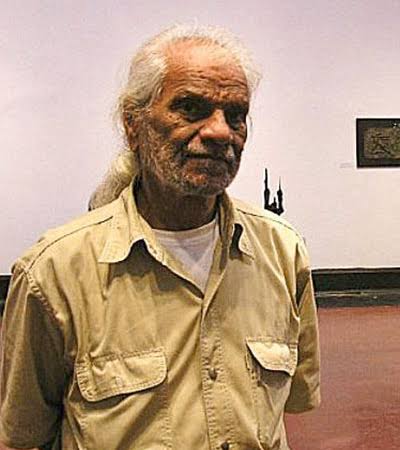
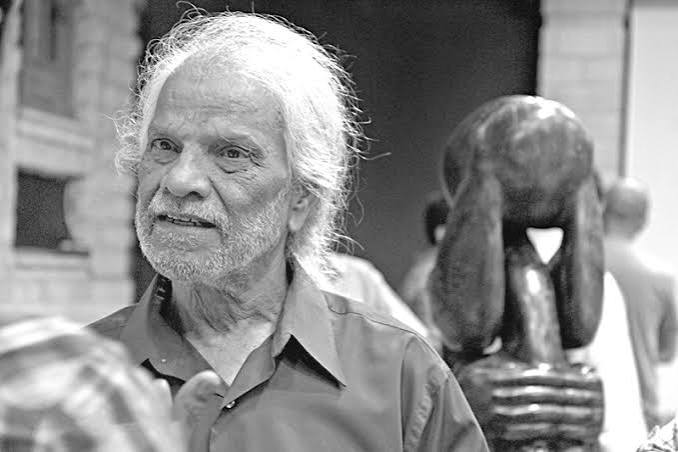
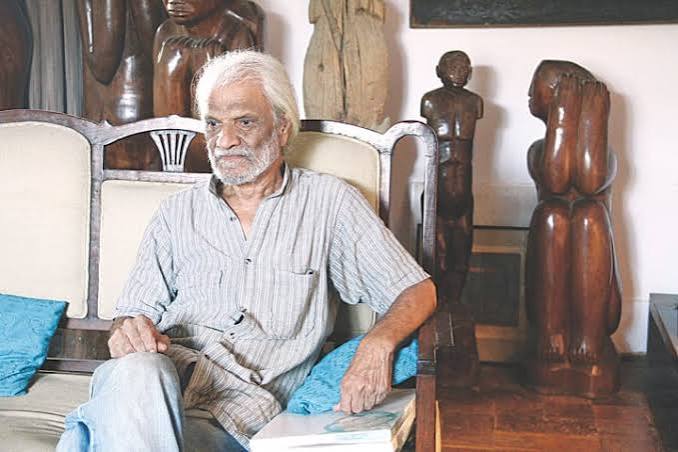
Shahid Sajjad was a pioneering Pakistani sculptor, widely regarded as the country’s premier and most influential figure in modern sculpture. A self-taught artist and founding member of the Indus Valley School of Art and Architecture, he spent decades traveling the world in search of raw artistic inspiration before returning to Karachi to create some of Pakistan’s most iconic bronze and wood works. He represents artistic independence, self-taught mastery, and the pioneering spirit that gave sculpture credibility as an art form in Pakistan.

Tiktok Followers
0 k
Facebook Followers
0 K

Major Honor | National Prize for Sculpture (1977, 1982)

Latest News & updates

Shahid Sajjad began his professional life in advertising, eventually becoming an art director at a Karachi advertising agency, before giving it up entirely to pursue art and travel.

He traveled extensively by motorcycle, seeking out artistic inspiration across continents — a formative journey that shaped his lifelong devotion to sculpture.

Sajjad held his debut solo exhibition at the Karachi Arts Council, marking his emergence as a serious sculptural artist.

He lived among the Chakma tribal community in the jungles of what was then East Pakistan, drawing deep inspiration from the purity and clarity of tribal craftsmanship — an experience he described as his first "art pilgrimage."

Sajjad gave up his comfortable life once again, riding through Europe and Asia — from Paris to Japan — studying under masters including Japanese sculptor Akio Kato, whom he considered his only teacher, and drawing inspiration from Rodin, Gauguin, and Henry Moore.

He won first prize in sculpture at the National Exhibition, a major recognition that cemented his standing as Pakistan's leading contemporary sculptor.

He won first prize in sculpture at the National Exhibition, a major recognition that cemented his standing as Pakistan's leading contemporary sculptor.

Career Highlights

Personal Life

Early Life

Full Name: Shahid Sajjad

Birthdate: 1936 (some sources cite 1937)

Birthplace/Hometown: Muzaffarnagar, Uttar Pradesh, British India

Background: Left school after class VIII to pursue his passion for art, initially working odd jobs before entering the advertising world, which eventually led him toward sculpture.

Education

Background: Entirely self-taught as a sculptor; he learned the lost-wax bronze casting technique in Japan under sculptor Akio Kato, whom he considered his sole formal teacher and mentor.

Family & Personal Life

Marital Status: Married

Children: Two sons, including Sibte Sajjad.

Values: A private, independent artist who worked largely alone, avoided public praise, and remained devoted to his craft over recognition or comfort.

Lifestyle

Impact & Influence: Shahid Sajjad is widely regarded as the most prominent and influential sculptor in Pakistan’s modern art history, credited with giving the medium of sculpture credibility as a serious art form in the country.

Founding Role: A founding member of the Indus Valley School of Art and Architecture, one of Pakistan’s leading institutions for art education.

Lifestyle

Impact & Influence:

Shahid Sajjad is widely regarded as the most prominent and influential sculptor in Pakistan’s modern art history, credited with giving the medium of sculpture credibility as a serious art form in the country.

Founding Role:

A founding member of the Indus Valley School of Art and Architecture, one of Pakistan’s leading institutions for art education.

Notable Works:

His piece “Guardian of the Seas” remains on permanent display at the Maritime Museum, Karachi, and is considered one of the most moving artworks in Pakistani sculpture; “Woman in Agony” is also part of his enduring body of work.

Recognition:

Declined the President’s Pride of Performance Award in 1980, choosing to let his work speak for itself rather than seek formal honors — a rare and notable stance in Pakistan’s arts community.

Legacy:

Passed away on 28 July 2014 in Karachi at the age of 77 after a long illness; his sculptures remain on display at institutions including the Maritime Museum, Karachi, and the Armed Corps division headquarters in Nowshera.

How Well Do You Know him!

Raziuddin Syed

1 / 5

How many books has Raziuddin Syed authored

2 / 5

Since which year has he been active on Quora Digest

3 / 5

Who presented him with a shield in 2019

4 / 5

What academic degree was completed on his life and books

5 / 5

At which university was the MPhil study completed

Your score is

Submit your reviews

There are no reviews yet. Be the first one to write one.

FAQ's

Who was Shahid Sajjad?

Shahid Sajjad was a pioneering Pakistani sculptor, widely regarded as the country’s premier modern sculptural artist.

He’s famous for his bronze and wood sculptures, including “Guardian of the Seas,” on permanent display at Karachi’s Maritime Museum.

No, he was entirely self-taught, though he studied the lost-wax bronze casting technique in Japan under sculptor Akio Kato.

He passed away on 28 July 2014 in Karachi, Pakistan, at the age of 77, following a long illness.

Shahid Sajjad Said:

“Art is a journey of discovery where the artist learns through observation experience material and the courage to follow an independent path”

Book a meeting