

Join Us
Follow us on social media for daily updates and inspiring stories

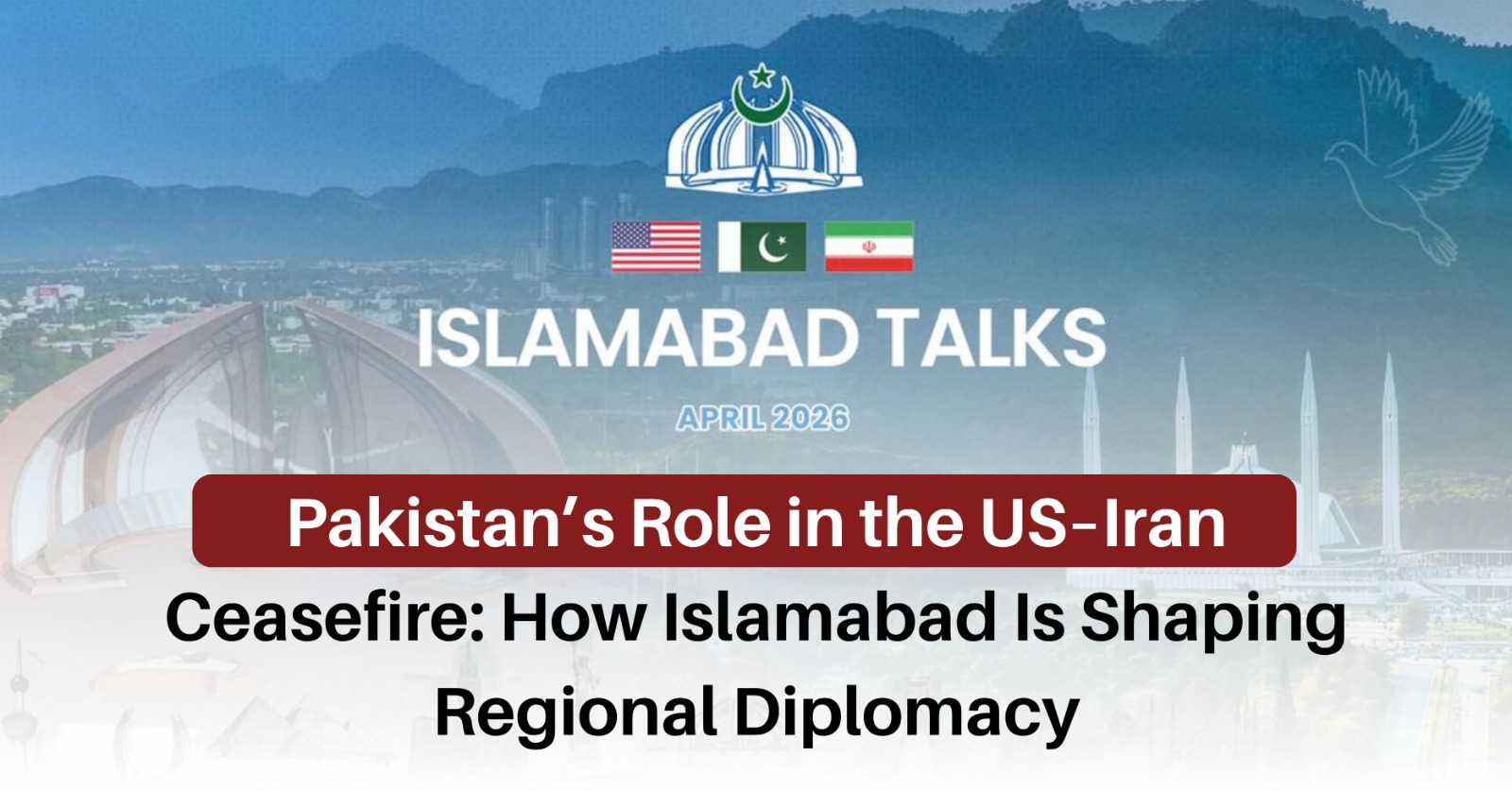
Pakistan has found itself at the centre of one of the Middle East’s most important diplomatic efforts in 2026.
On June 17, the United States and Iran signed the Islamabad Memorandum of Understanding (MoU), with Pakistan serving as a mediator alongside Qatar. The agreement created a framework for ending hostilities and moving the two sides toward further negotiations. Pakistan subsequently continued facilitating technical and high-level discussions between Washington and Tehran.
Now, with the original 60-day period approaching its August 17 deadline, reports on August 12 say the United States and Iran have agreed to extend the ceasefire arrangement. The information has been attributed to Pakistani government sources, making the development particularly significant for Islamabad’s diplomatic standing.
The bigger story, however, is not simply the ceasefire itself. It is the emergence of Pakistan as a bridge between Washington and Tehran at a moment when regional stability, energy markets and maritime trade remain closely connected to the conflict.
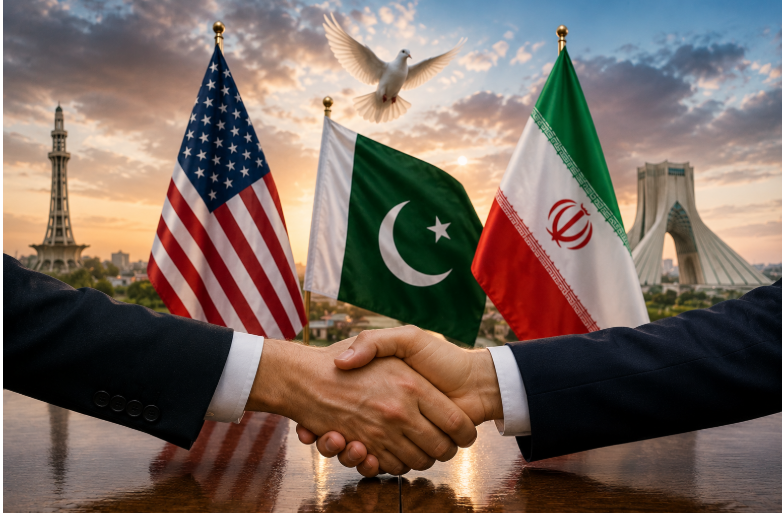
Pakistan’s involvement did not begin with the June agreement.
When the conflict escalated earlier in 2026, Islamabad consistently called for restraint and a diplomatic solution. Pakistan also maintained communication with both Washington and Tehran.
In April, Pakistan hosted talks involving senior American and Iranian delegations. Pakistan’s Foreign Ministry said the discussions involved several rounds of negotiations and that Islamabad would continue facilitating engagement between the two sides.
That earlier diplomatic engagement helped establish Pakistan as a channel through which messages could pass between the two countries.
The June Islamabad MoU represented a more formal stage of that process. Pakistan and Qatar were identified as mediators, while the agreement created mechanisms for further technical and political discussions.
For Islamabad, this was an unusual diplomatic position: maintaining relations with the United States while also preserving longstanding ties with neighbouring Iran.
The Islamabad Memorandum of Understanding became the framework for the next stage of US-Iran diplomacy.
According to Pakistan’s official account, the memorandum was signed electronically on June 17 and entered into force immediately. Prime Minister Shehbaz Sharif signed it as mediator, while the presidents of the United States and Iran also signed the document.
The agreement was designed to stop hostilities and create space for negotiations on unresolved issues.
Subsequent talks in Switzerland established a High-Level Committee and working groups dealing with areas including Iran’s nuclear programme, sanctions and monitoring and dispute resolution. The parties also established a communication mechanism intended to reduce incidents and support safe commercial passage through the Strait of Hormuz.
This is important because the agreement is not simply about stopping military action.
It is also an attempt to create a structure through which much harder political issues can eventually be addressed.
The latest development gives the Islamabad framework renewed importance.
The original 60-day period was approaching its August 17 deadline. On August 12, reports citing Pakistani government sources said Washington and Tehran had agreed to extend the ceasefire beyond that deadline.
The extension matters because a ceasefire creates something diplomacy desperately needs: time.
Without a reduction in hostilities, negotiations become extremely difficult. With a temporary pause, governments can communicate, test proposals and address disagreements without immediately returning to military confrontation.
It is also important not to overstate the development. An extended ceasefire does not mean that all US-Iran disputes have been resolved.
Questions surrounding sanctions, Iran’s nuclear programme, regional security and other unresolved issues remain.
The immediate achievement is keeping the diplomatic process alive.
Pakistan’s geographical and diplomatic position gives Islamabad a distinctive role.
Pakistan shares a long border with Iran and has longstanding political, economic and cultural connections with the country. At the same time, Pakistan maintains an important relationship with Washington.
That combination gives Islamabad access to both sides that many other countries do not possess.
Pakistan also has strong relationships with Gulf countries, including Saudi Arabia and Qatar, which have their own interests in regional stability.
This does not make Pakistan a neutral actor in every regional issue. Islamabad has its own national interests and security concerns.
But it does give Pakistan a reason to encourage dialogue rather than allowing the conflict to expand.
For Pakistan, a wider regional war could have consequences far beyond diplomacy.
One of the reasons the US-Iran conflict matters to Pakistan is the Strait of Hormuz.
The waterway is critical to global energy transportation. Disruption there can affect oil and gas markets, shipping costs and economies far beyond the Middle East.
Pakistan is particularly sensitive to developments in energy markets because it relies heavily on imported energy.
During the negotiations, Pakistan has repeatedly emphasized the importance of keeping the Strait open to commercial shipping. Deputy Prime Minister and Foreign Minister Ishaq Dar said Pakistan’s position was that navigation should return to its pre-conflict situation.
The June implementation talks also established a communication line intended to reduce misunderstandings and support safe commercial passage.
For Islamabad, therefore, diplomacy is not just about foreign policy prestige.
It has direct economic and energy-security implications.
Diplomatic influence is one obvious benefit.
Pakistan has often been described primarily through the lens of security challenges. A successful mediation role gives Islamabad an opportunity to demonstrate another dimension of its foreign policy: diplomatic convening power.
The international recognition of Pakistan’s role has already appeared in official statements.
Pakistan’s President Asif Ali Zardari credited the country’s leadership and diplomatic efforts following the signing of the Islamabad MoU, while Pakistan’s Foreign Ministry has repeatedly described its approach as balanced, constructive and focused on dialogue.
There is also a practical benefit.
A stable relationship between Washington and Tehran reduces the risk of another major disruption close to Pakistan’s western border and around critical maritime routes.
The stronger Pakistan’s diplomatic channels become, the better positioned Islamabad may be to communicate its own concerns during future regional crises.
Being a mediator is not without challenges.
Pakistan must maintain credibility with both sides. If either Washington or Tehran believes Islamabad is favouring the other, its ability to facilitate communication could weaken.
There is also a difference between facilitating negotiations and actually controlling their outcome.
Pakistan can provide a venue, carry messages, encourage dialogue and help build communication channels. It cannot independently resolve disagreements between two major powers.
That distinction is important.
The success of the process will ultimately depend on whether Washington and Tehran are willing to make compromises on their most difficult disputes.
Pakistan’s role can create the conditions for diplomacy, but the final political decisions remain with the parties themselves.
An extended ceasefire could provide an opportunity for the next stage of negotiations.
The June framework already created working groups covering nuclear issues, sanctions and monitoring.
The logical next step would be to strengthen those technical discussions and gradually address the issues that prevented a permanent settlement.
For Pakistan, the ideal outcome would be a transition from crisis management to sustained diplomacy.
That would mean fewer military risks, more predictable energy markets and greater stability along Pakistan’s western neighbourhood.
It could also create opportunities for wider regional economic cooperation.
But a ceasefire should not automatically be interpreted as a permanent peace agreement.
The gap between stopping fighting and resolving the underlying political disputes can be enormous.
The US-Iran process comes at an interesting time for Pakistan’s foreign policy.
Islamabad is simultaneously strengthening relationships across the Gulf, maintaining strategic ties with China, developing relations with Türkiye and Russia, and managing its relationship with Washington.
Its involvement in the US-Iran process therefore fits into a broader effort to maintain diplomatic flexibility.
Pakistan does not have to choose a single external partner to remain relevant.
Its geographical position gives it reasons to engage with multiple powers and regional blocs.
If Islamabad can maintain credibility across these relationships, its diplomatic value may increase—not because Pakistan can dictate outcomes, but because it can provide channels of communication when relations between larger powers become difficult.
The most significant aspect of this episode may be the change in how Pakistan is being positioned internationally.
Pakistan’s role should not be exaggerated. It is not the sole architect of US-Iran diplomacy, and the future of the ceasefire remains uncertain.
However, Islamabad has demonstrated that it can bring its relationships with different sides into the same diplomatic process.
The June MoU and subsequent implementation talks provide concrete evidence of that role. Pakistan and Qatar have continued to facilitate discussions, while official Pakistani statements have emphasized dialogue and implementation.
If the ceasefire survives and negotiations continue, Pakistan could strengthen its reputation as a country capable of facilitating dialogue during regional crises.
The challenge will be converting this diplomatic moment into a sustainable foreign-policy asset.
That requires consistency, credibility and careful balancing.
The immediate focus is the implementation of the reported ceasefire extension beyond August 17.
The next stage will likely centre on whether Washington and Tehran can maintain communication and continue working through the unresolved issues under the Islamabad framework.
Pakistan’s role will remain important because it has already been established as one of the mediators.
But the coming weeks will test whether the framework can move from temporary de-escalation toward a more durable settlement.
For Islamabad, the objective is straightforward: keep the diplomatic channel open, avoid further escalation and encourage both sides to return to negotiations whenever disagreements threaten the process.
The stakes extend well beyond Pakistan.
A sustained US-Iran ceasefire could reduce pressure on regional shipping, energy markets and neighbouring states.
Pakistan’s involvement in the US-Iran ceasefire represents one of the more consequential developments in its foreign policy in 2026.
From hosting negotiations to helping facilitate the Islamabad Memorandum of Understanding, Islamabad has moved into a diplomatic space that requires balancing relationships with Washington, Tehran and the wider region.
The reported extension of the ceasefire beyond August 17 gives that diplomatic process more time, although it does not mean the underlying US-Iran disputes have been settled.
For Pakistan, the opportunity is both diplomatic and strategic.
A peaceful outcome would support regional stability, protect trade routes and reduce risks to energy supplies. At the same time, a successful mediation effort could strengthen Islamabad’s reputation as a constructive regional diplomatic player.
The next test is no longer whether Pakistan can bring the parties to the table.
It is whether the table can remain open long enough for a lasting agreement to emerge.