Pakistani Hero is a private digital media platform dedicated to showcasing inspiring Pakistani professionals creators and achievers who are making a meaningful impact in their fields We document real journeys highlight genuine contributions and build long term digital recognition for individuals shaping Pakistan’s present and future nationally and globally. Pakistani Hero is a private digital media platform dedicated to showcasing inspiring Pakistani professionals creators and achievers who are making a meaningful impact in their fields We document real journeys highlight genuine contributions and build long term digital recognition for individuals shaping Pakistan’s present and future nationally and globally

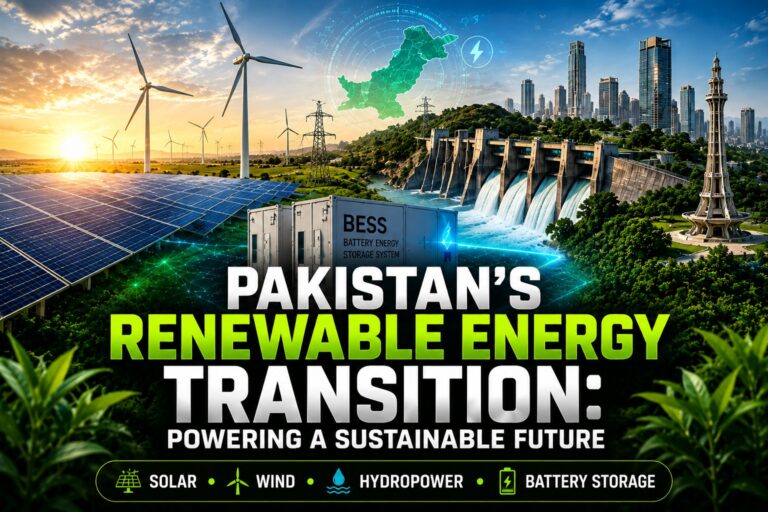
Pakistan's Renewable Energy Transition: Powering a Sustainable Future


Powering a Sustainable Future

Pakistan’s renewable energy transition is becoming one of the country’s most significant development priorities as it seeks to address rising electricity demand, reduce dependence on imported fossil fuels, and combat climate change. With abundant sunshine, strong wind corridors, and increasing investment in clean technologies, Pakistan is gradually shifting toward a more sustainable energy future.

The transition is not merely about producing electricity, it is about strengthening energy security, improving economic resilience, creating employment opportunities, and protecting the environment for future generations. As governments, private investors, and international organizations collaborate on renewable energy initiatives, Pakistan is positioning itself to become a regional example of clean energy development. This article explores the country’s renewable energy journey, major achievements, challenges, and the road ahead

Background: Why Pakistan Needs Renewable Energy

Pakistan has historically relied on imported oil, natural gas, and conventional thermal power plants to meet its growing energy needs. This dependence has contributed to high electricity generation costs, fuel import bills, and vulnerability to global energy price fluctuations.

At the same time, the country faces increasing climate-related risks, including floods, heatwaves, droughts, and water scarcity. According to international climate assessments, Pakistan remains among the countries most vulnerable to climate change despite contributing only a small share of global greenhouse gas emissions.

Renewable energy offers a practical solution by utilizing Pakistan’s natural resources, including abundant solar radiation in southern regions and strong wind corridors along the Sindh coast. Expanding clean energy capacity can help diversify the country’s energy mix while reducing carbon emissions and improving long-term energy security.

Pakistan's Renewable Energy Potential

Pakistan possesses significant renewable energy resources that remain largely untapped.

Solar Energy

Wind Energy

Much of Pakistan receives over 300 sunny days annually, making solar power one of the country’s greatest renewable assets. Rooftop solar systems, utility-scale solar parks, and distributed generation projects are expanding across residential, commercial, and industrial sectors.

Wind Energy

The Gharo-Keti Bandar wind corridor in Sindh is considered one of South Asia’s most promising wind energy regions. Several wind farms are already operational, contributing clean electricity to the national grid.

The Gharo-Keti Bandar wind corridor in Sindh is considered one of South Asia’s most promising wind energy regions. Several wind farms are already operational, contributing clean electricity to the national grid.


Hydropower
Hydropower continues to play a major role in Pakistan’s electricity generation. Large dams and small hydropower projects provide renewable electricity while supporting irrigation and water management.

Biomass and Waste-to-Energy
Agricultural waste and municipal solid waste also present opportunities for generating renewable electricity while improving waste management practices.

Key Developments Driving the Transition

Pakistan has introduced several policy initiatives aimed at encouraging renewable energy investment.

These include renewable energy procurement policies, net metering regulations that allow consumers to sell excess solar electricity back to the grid, and incentives for private-sector participation.

Recent years have also witnessed increased adoption of rooftop solar systems by households, educational institutions, businesses, and industries seeking to reduce electricity costs.

International development partners such as the World Bank, Asian Development Bank, and other multilateral organizations continue supporting renewable energy financing, grid modernization, and climate resilience initiatives across Pakistan.

The government’s long-term vision emphasizes increasing the share of renewable energy in the national electricity mix while strengthening transmission infrastructure to integrate variable renewable power effectively.

Why Renewable Energy Matters for Pakistan

The renewable energy transition extends far beyond environmental protection.
Energy Security
Generating electricity from domestic renewable resources reduces dependence on imported fuels and enhances national energy independence.
Economic Growth
Renewable energy projects attract foreign investment, stimulate local industries, and encourage technological innovation.
Employment Opportunities
The clean energy sector creates jobs in engineering, manufacturing, construction, installation, maintenance, and research.
Climate Action
Expanding renewable energy helps reduce greenhouse gas emissions and supports Pakistan’s commitments toward international climate goals.
Affordable Electricity
As renewable technologies become more efficient and affordable, consumers can benefit from lower long-term electricity costs.
Challenges Facing the Renewable Energy Transition
Despite encouraging progress, several challenges continue to slow renewable energy expansion.
Grid infrastructure requires modernization to efficiently integrate increasing amounts of intermittent solar and wind generation.
Financing remains another challenge, particularly for large-scale renewable projects requiring significant upfront investment.
Regulatory consistency and timely implementation of energy policies are essential for maintaining investor confidence.
Technical capacity, workforce development, and local manufacturing also require continued support to strengthen Pakistan’s renewable energy ecosystem.
Additionally, balancing conventional generation with renewable integration demands improved energy planning and smarter electricity networks.

Expert Analysis: Building a Sustainable Energy Future

Pakistan’s renewable energy transition represents more than a technological shift—it is a strategic national development opportunity.

Continued investment in transmission infrastructure, battery storage, smart grids, and digital energy management systems will enable greater renewable integration while improving electricity reliability.

Expanding vocational training and university research can prepare a skilled workforce capable of supporting the country’s growing clean energy sector.

Public awareness campaigns encouraging energy efficiency and rooftop solar adoption can further accelerate the transition.

Long-term policy stability will remain one of the most important factors influencing investor confidence and project development.

If implemented effectively, renewable energy can become a cornerstone of Pakistan’s economic competitiveness and environmental sustainability.

Future Outlook

Pakistan’s renewable energy future appears increasingly promising.

Declining costs of solar panels, improved battery technologies, expanding international climate financing, and rising private-sector participation are expected to accelerate clean energy deployment.

Greater regional cooperation, modernized electricity infrastructure, and stronger public-private partnerships can further strengthen Pakistan’s energy transition.

As technology continues evolving, renewable energy will likely become an even larger contributor to electricity generation, industrial growth, and sustainable development.

The transition also aligns with global efforts to achieve cleaner energy systems while supporting long-term economic resilience.

Conclusion

Pakistan’s renewable energy transition is creating new opportunities for sustainable economic development, energy security, and environmental protection. While challenges such as infrastructure upgrades, financing, and policy implementation remain, the country’s vast renewable resources provide a strong foundation for future growth.

By expanding solar, wind, hydropower, and emerging clean technologies, Pakistan can reduce dependence on imported fuels, create skilled employment, and strengthen its resilience against climate change. Continued collaboration between government, industry, academia, and international partners will be essential in ensuring that renewable energy becomes a lasting driver of national progress.

A cleaner, greener, and more energy-secure Pakistan is not only possible, it is increasingly becoming a reality.

Frequently Asked Questions (FAQs)

What is Pakistan's renewable energy transition?

It refers to Pakistan's gradual shift from conventional fossil fuel-based electricity generation toward cleaner energy sources such as solar, wind, hydropower, and biomass.

Why is renewable energy important for Pakistan?

Renewable energy improves energy security, reduces fuel imports, lowers carbon emissions, creates employment opportunities, and supports sustainable economic development.

Which renewable energy source has the greatest potential in Pakistan?

Solar energy has enormous potential because much of Pakistan receives high levels of sunshine throughout the year. Wind energy in Sindh also offers significant opportunities.

What challenges does Pakistan face in expanding renewable energy?

Major challenges include grid modernization, financing, policy implementation, transmission capacity, technical expertise, and integrating intermittent renewable generation.

How does rooftop solar benefit households?

Rooftop solar can reduce electricity bills, improve energy independence, and allow consumers to supply excess electricity to the national grid through net metering where applicable.

Can renewable energy create jobs in Pakistan?

Yes. Renewable energy supports employment in engineering, manufacturing, installation, maintenance, project management, research, and technical services.

How does renewable energy help address climate change?

Renewable energy generates electricity with significantly lower greenhouse gas emissions than conventional fossil fuels, helping reduce environmental impacts.

Leave a Reply

Your email address will not be published. Required fields are marked *

Join Us

Follow us on social media for daily updates and inspiring stories

Latest News

Book a meeting