Pakistani Hero is a private digital media platform dedicated to showcasing inspiring Pakistani professionals creators and achievers who are making a meaningful impact in their fields We document real journeys highlight genuine contributions and build long term digital recognition for individuals shaping Pakistan’s present and future nationally and globally. Pakistani Hero is a private digital media platform dedicated to showcasing inspiring Pakistani professionals creators and achievers who are making a meaningful impact in their fields We document real journeys highlight genuine contributions and build long term digital recognition for individuals shaping Pakistan’s present and future nationally and globally
Why the Strait of Hormuz Matters to Pakistan

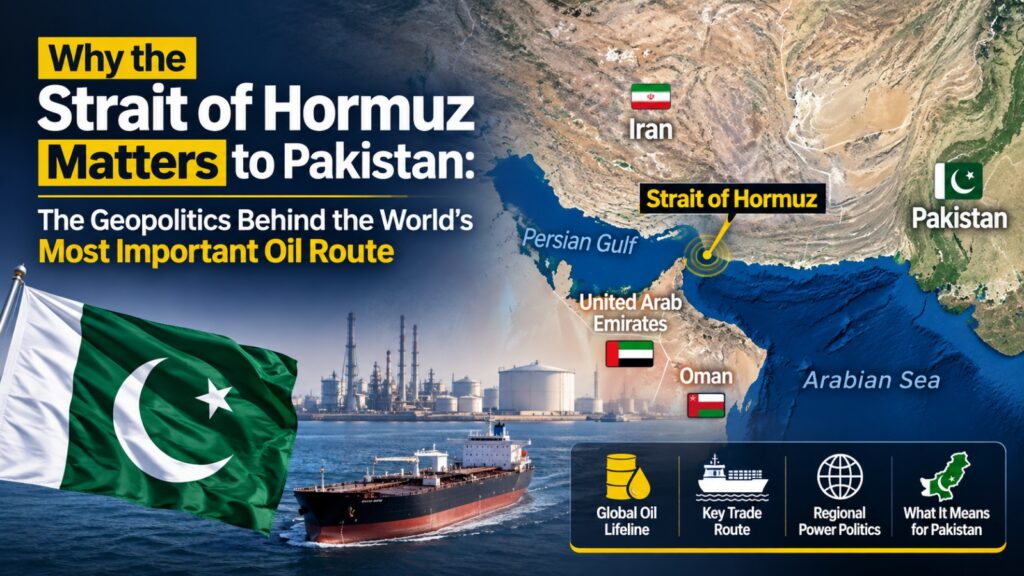
Why the Strait of Hormuz Matters to Pakistan: The Geopolitics Behind the World’s Most Important Oil Route

A narrow stretch of water between Iran and Oman may seem far removed from everyday life in Pakistan.

Strait of Hormuz Crisis 2026: Why It Matters to Pakistan

Overview

A narrow stretch of water between Iran and Oman may seem far removed from everyday life in Pakistan. Yet when tensions rise around the Strait of Hormuz, the effects can quickly travel thousands of kilometres, from oil markets in the Gulf to petrol stations, transport costs and household budgets in Pakistan.

The Strait is one of the world’s most important energy chokepoints. Around 20 million barrels per day of crude oil and petroleum products passed through it in 2025, representing roughly a quarter of global seaborne oil trade, according to the International Energy Agency. 

Now, in August 2026, Hormuz has once again become the centre of a major geopolitical crisis. The United States and Iran remain at odds over the status of the waterway, shipping activity has been sharply disrupted, and oil prices have climbed as markets worry about prolonged supply uncertainty. On August 19, Brent crude moved above $91 a barrel as concerns over Hormuz continued. 

For Pakistan, this is not simply another Middle Eastern conflict.

It is a question of energy security, inflation, foreign exchange, trade and national resilience.

What Is Marka-e-Haq?

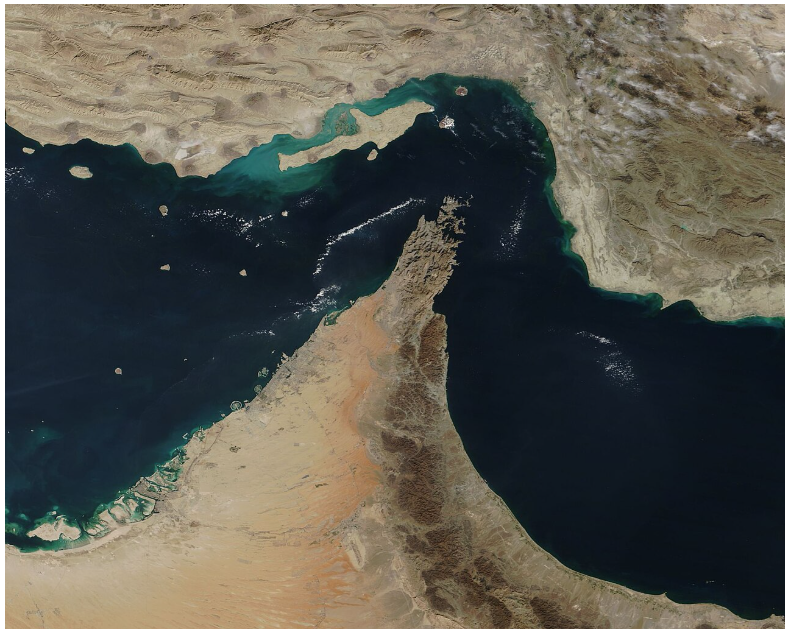
The Strait of Hormuz is a narrow maritime passage connecting the Persian Gulf with the Gulf of Oman and the Arabian Sea. At its narrowest point, it is only about 29 nautical miles wide, with designated shipping channels that are even narrower.

Its geographical size is small, but its strategic importance is enormous. Major energy exporters including Saudi Arabia, Iraq, Kuwait, Qatar, Iran and the United Arab Emirates depend on routes through or around the Gulf, while many of their customers rely on the uninterrupted movement of ships through Hormuz.

The problem is that there are limited alternatives. Some Gulf producers have pipelines that can bypass the Strait, but these routes cannot replace the enormous volume of energy normally transported by sea.

That is what makes Hormuz a classic geopolitical chokepoint: whoever can disrupt movement through it can create consequences far beyond the immediate region.

That framing has also shaped how Marka-e-Haq is now represented through monuments, exhibitions, commemorations and public events.

Why Is the Strait in Crisis in 2026?

The current crisis is tied to the wider confrontation between the United States and Iran.

A temporary U.S.–Iran understanding that had aimed to reduce tensions and reopen the waterway has effectively broken down, with both sides blaming the other for the failure. Iran has maintained demands involving sanctions relief, the end of the U.S. naval blockade and guarantees against renewed attacks, while Washington has continued to pressure Tehran. 

The result has been an increasingly uncertain maritime environment.

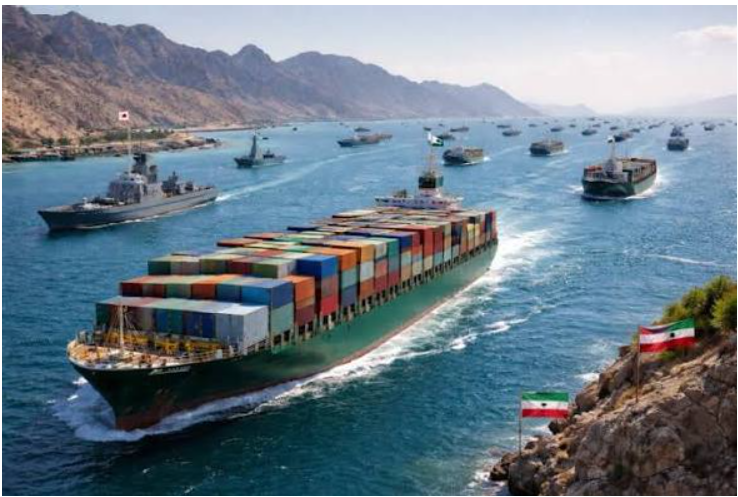
On August 19, U.S. President Donald Trump said the Strait was open, while Iranian officials maintained that it remained closed. At the same time, shipping volumes through the waterway remain significantly below normal, creating uncertainty for energy markets and international shipping companies. 

This uncertainty is almost as important as an outright closure.

Oil markets do not need the Strait to be completely blocked for prices to rise. Even the possibility of prolonged disruption can make insurers, shipowners and energy companies more cautious, increasing the cost of transporting fuel.

Why Should Pakistan Care About Hormuz?

For Pakistan, the answer is straightforward: oil matters to almost every part of the economy.

Pakistan imports a large share of its petroleum requirements, meaning international oil prices directly affect domestic fuel costs. When crude becomes more expensive, the impact does not stop at the petrol pump. Transportation becomes more expensive, electricity generation can become costlier, businesses face higher operating expenses and consumers eventually feel the pressure through the prices of goods and services. 

The situation becomes even more complicated when shipping costs and insurance premiums rise alongside crude prices.

This means Pakistan can be affected even if it is not directly involved in the conflict.

From Hormuz to the Pakistani Petrol Pump

The connection between geopolitics and everyday life becomes clearest when looking at fuel prices.

Suppose the cost of crude oil rises because markets fear a prolonged disruption in Hormuz. Pakistani importers then have to pay more for the petroleum they purchase. If shipping and insurance costs also increase, the landed cost of that fuel becomes even higher.

Eventually, these costs can feed into domestic fuel prices.

And petrol prices have a multiplier effect.

A transport company paying more for diesel may increase freight charges. A farmer using fuel-powered machinery may face higher production costs. Airlines can face higher operating expenses because of jet fuel prices. Businesses transporting goods across the country may have to adjust their prices.

A geopolitical crisis thousands of kilometres away can therefore become an economic issue at home.

Pakistan’s Energy Security Problem

The Hormuz crisis has exposed a broader vulnerability in Pakistan’s energy system: dependence on imported fuel.

Pakistan’s energy demand is large, but its domestic production does not fully meet its requirements. This leaves the country exposed to international price movements and geopolitical disruptions.

A recent analysis by the Pakistan Institute of Policy Studies noted that the Hormuz crisis has highlighted Pakistan’s vulnerability while also creating potential opportunities linked to its geographical position and ports. 

The lesson is important.

Energy security is not only about having enough fuel today. It is also about ensuring that a country can continue receiving affordable energy when international supply chains are disrupted.

The Geopolitical Importance of Pakistan’s Location

Interestingly, Pakistan’s geography could also provide an opportunity.

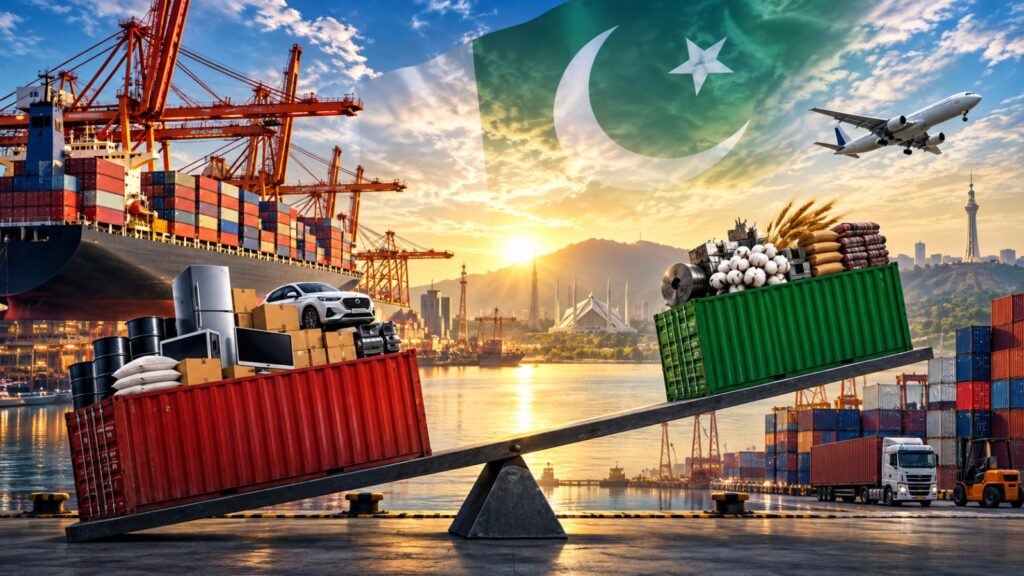
Pakistan sits outside the immediate Gulf chokepoint system and has direct access to the Arabian Sea. Its ports, particularly Karachi and Gwadar, connect the country to major maritime routes linking the Middle East, South Asia and beyond.

During the earlier stages of the 2026 crisis, Pakistan saw increased cargo activity as international shipping patterns adjusted to regional disruption. The Islamabad Policy Research Institute noted a significant rise in cargo handling at Karachi Port during the crisis, although it cautioned that such gains could be temporary. 

This creates a strategic possibility.

Pakistan could potentially strengthen its role as a logistics and storage hub for regional trade, but only if it develops the infrastructure, storage capacity, connectivity and policy environment required to support that role.

Pakistan Is Caught Between Geography and Diplomacy

Hormuz also creates a diplomatic challenge for Islamabad.

Pakistan maintains important relationships with Gulf Arab states, including Saudi Arabia and the UAE, while also sharing a long border and historical relationship with Iran. At the same time, Pakistan has significant security and economic interests connected to China and maintains relations with the United States.

That puts Pakistan in a complicated strategic position.

A major escalation around Hormuz would force Islamabad to carefully balance its relationships while prioritising its own economic and security interests.

This is one reason Pakistan has an interest in diplomacy and regional de-escalation rather than allowing the crisis to expand further.

Why Iran Has So Much Leverage

Iran’s geographical position gives it significant strategic leverage over the Strait.

The country sits directly along the northern side of Hormuz, meaning it can influence maritime security in the area. Iran has historically viewed the Strait as an important component of its strategic deterrence, particularly when facing pressure from the United States.

Why Iran Has So Much Leverage

This does not mean that Iran can simply control every ship passing through the Strait without consequences. Any prolonged disruption would also damage Iran’s own economic interests and could provoke a much wider international response.

But the ability to threaten or disrupt shipping is itself a powerful geopolitical tool.

That is why Hormuz has repeatedly become a central bargaining point during periods of tension between Iran and the West.

What Happens to Global Oil Prices?

Oil markets react to expectations, not just actual shortages.

On August 19, Brent crude rose to around $91.44 a barrel, marking a fourth consecutive daily increase amid uncertainty surrounding exports through Hormuz. 

The longer shipping disruptions continue, the greater the possibility that prices could move higher.

But the impact is not necessarily linear. Strategic reserves, alternative pipelines, changes in demand and adjustments by major producers can cushion some of the disruption. Iraq, for example, has announced alternative mechanisms for exporting crude that avoid Hormuz, beginning in September. 

Still, alternatives cannot fully replace the Strait’s importance overnight.

Could Pakistan Turn the Crisis Into an Opportunity?

A crisis of this scale creates risks, but it can also expose opportunities.

Pakistan could use its location to strengthen maritime logistics, develop larger petroleum storage facilities, improve port infrastructure and build stronger regional trade connections. It could also accelerate efforts to diversify its energy mix and reduce excessive dependence on imported oil.

The longer-term goal should be resilience.

Pakistan cannot control what happens in the Strait of Hormuz. But it can control how vulnerable its economy is to disruptions there.

That means investing in renewable energy, domestic resources, strategic reserves, efficient transportation systems and alternative energy sources.

The Bigger Question: Energy Security or Energy Dependence?

The Hormuz crisis raises a question that Pakistan has faced repeatedly: How long can an economy remain vulnerable to external energy shocks?

Every international crisis that pushes oil prices higher reminds Pakistan of the same structural problem.

The country needs energy to grow, but importing large quantities of energy exposes it to global markets. Global markets are influenced by wars, sanctions, shipping disruptions and political decisions over which Pakistan often has little control.

Reducing this vulnerability will require more than simply negotiating cheaper oil.

It will require a long-term energy strategy.

What Does Hormuz Mean for Pakistan’s Future?

The Strait of Hormuz may be located outside Pakistan, but its geopolitical importance reaches directly into Pakistan’s economy and foreign policy.

The current crisis demonstrates how closely connected modern economies have become. A conflict involving two countries can affect shipping companies, oil markets, governments and consumers around the world within days.

For Pakistan, the lesson is particularly clear.

Energy security is national security.

A country that depends heavily on imported fuel is inevitably exposed to developments beyond its borders. Strengthening domestic energy capacity, diversifying supply routes and building strategic reserves can therefore become just as important as traditional defence capabilities.

Conclusion

The Strait of Hormuz is one of the clearest examples of how geography can become power.

A narrow waterway connecting the Gulf to the wider world has the ability to influence oil prices, international trade, inflation and foreign policy across continents. In 2026, as tensions between the United States and Iran continue and shipping through the Strait remains uncertain, its importance has once again become impossible to ignore. 

For Pakistan, the crisis is both a warning and an opportunity.

It highlights the country’s vulnerability to imported energy, but it also draws attention to Pakistan’s own geographical position along the Arabian Sea and its potential as a regional logistics and energy hub.

Ultimately, Pakistan cannot decide what happens in Hormuz.

About This Story

BE PART OF OUR MISSION

Share Real Stories of Pakistan

Do you know someone who is making Pakistan proud? Nominate them and we will tell their story.

Latest News

Book a meeting